
I have always believed that the small print matters. And sometimes what the small print omits to mention matters even more. With this principle in mind, I have been reading the International Sustainability Standards Board’s (ISSB) proposed draft standard for processed food, which is supposed to be a ‘comprehensive review’ of the original Sustainability Accounting Standards Board’s standard. The detail is very disappointing.
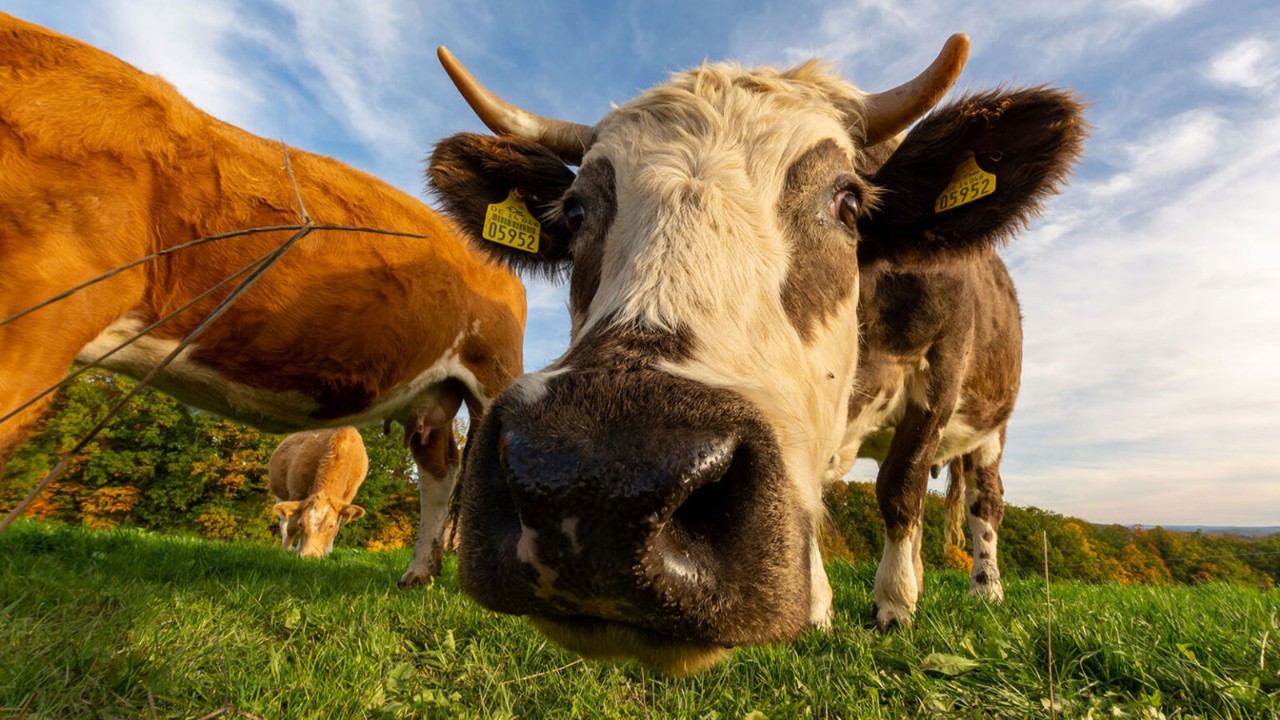
Agriculture accounts for approximately 15-20% of global greenhouse gas (GHG) emissions, making it one of the most important sectors to abate. About 50% of agriculture emissions are in the form of methane, not carbon dioxide. And about 85% methane emissions come from just three sources: beef cattle, dairy cattle and rice – or two sources, if you treat beef and dairy as a single source.
To summarise, the agriculture sector is a major contributor to global warming and most of the damage comes from cattle and rice.
I should add that all the statistics for agriculture are approximate, as its sheer scale and diversity make precise numbers hard to find. I should also add that the methane share is calculated using an equivalence formula, which I think is questionable.
The draft standard makes no mention of GHG emissions in the supply chain, let alone methane
Not all GHGs are equal. Methane is generally described as about 80 times worse per kilo than CO2 over a 20-year-period, but I think this is misleading. Atmospheric methane fully decays after about 12 years, and methane is therefore about 120-140 times worse than CO2 over a 10-year period.
Near-term goal
In other words, reducing methane emissions is highly desirable as a near-term goal, as you get a double benefit from releasing less ‘new’ gas and the natural decay of existing gas. There is a broad consensus that reducing methane emissions represents the fastest way to reduce global warming in the near term.
It’s hard to know what proportion of processed food is made with dairy, beef or rice-based ingredients, but it’s clearly not a small number. The best estimate I could find was 30-40%. It’s not just the obvious things like milk and cheese: there are lots of dairy-based additives and ingredients in a wide range of supposedly non-dairy foods.
It is therefore an obviously true statement that reducing the methane-intensity of processed foods would be very beneficial for the planet. Which brings me back to the ISSB’s ‘improved’ standard.
Ticking narrowly defined boxes won’t help the planet
I was disappointed but not surprised to find the draft standard makes no mention of GHG emissions in the supply chain, let alone methane. It does cover deforestation, sustainable agriculture, human rights and traceability, but not what is arguably the single biggest impact that this sector has on the planet’s environment.
This seems to me to be a direct contradiction of the ISSB’s goal to ‘reflect the evolution of climate-related risks and opportunities in different industries’.
A lot of excellent research into agriculture and methane has been published by numerous bodies. The Global Methane Pledge (signed by 159 countries) notes that reducing methane emissions by 30% by 2030 has ‘the potential to make an enormous impact on climate change, similar to the entire global transport sector adopting net zero emission technologies.
Watch this space
To be fair, the ISSB does plan to publish a draft standard on the agricultural products, meat, poultry and dairy sectors in 2026. Maybe that will mention methane. But no sector exists in a vacuum. Farmers only produce milk because food processors and customers buy it.
My primary criticism of the ISSB is very simple – the reality falls short of the rhetoric. The improved standards still provide a very restrictive view of risk and fail to look at sustainability from a holistic, supply chain perspective. Ticking narrowly defined boxes may be good for the ticker’s self-worth, but won’t help the planet.


