As the accounting profession in Singapore – as elsewhere in Asia – tackles critical gaps in talent, major practices have responded with investments in education, training and innovative pathways to develop the next generation of professionals.
Firms have committed millions to comprehensive talent development strategies that extend beyond traditional recruitment. In July, RSM Singapore announced that it had set up the RSM Endowment Scholarship Fund, committing SG$4m (US$3.1m) to nine local tertiary institutions and SG$900,000 to Singapore’s Community Chest, as part of Singapore’s SG Gives Enhanced Matching Programme.
‘Our people are our greatest asset; building talent means building the future’
The aim of the fund, according to a statement from RSM, is to empower eligible students from less privileged backgrounds and give them easier access to education.
Training focus
KPMG, meanwhile, has committed over SG$100m since 2024 to support salary progression, training, upskilling and the adoption of new technologies over five years. The firm’s goal is to empower more than 3,500 employees. And EY is working with certification bodies in the region to offer sponsorships for foundation programmes that can lead to accountancy qualifications – just one of several initiatives along these lines.
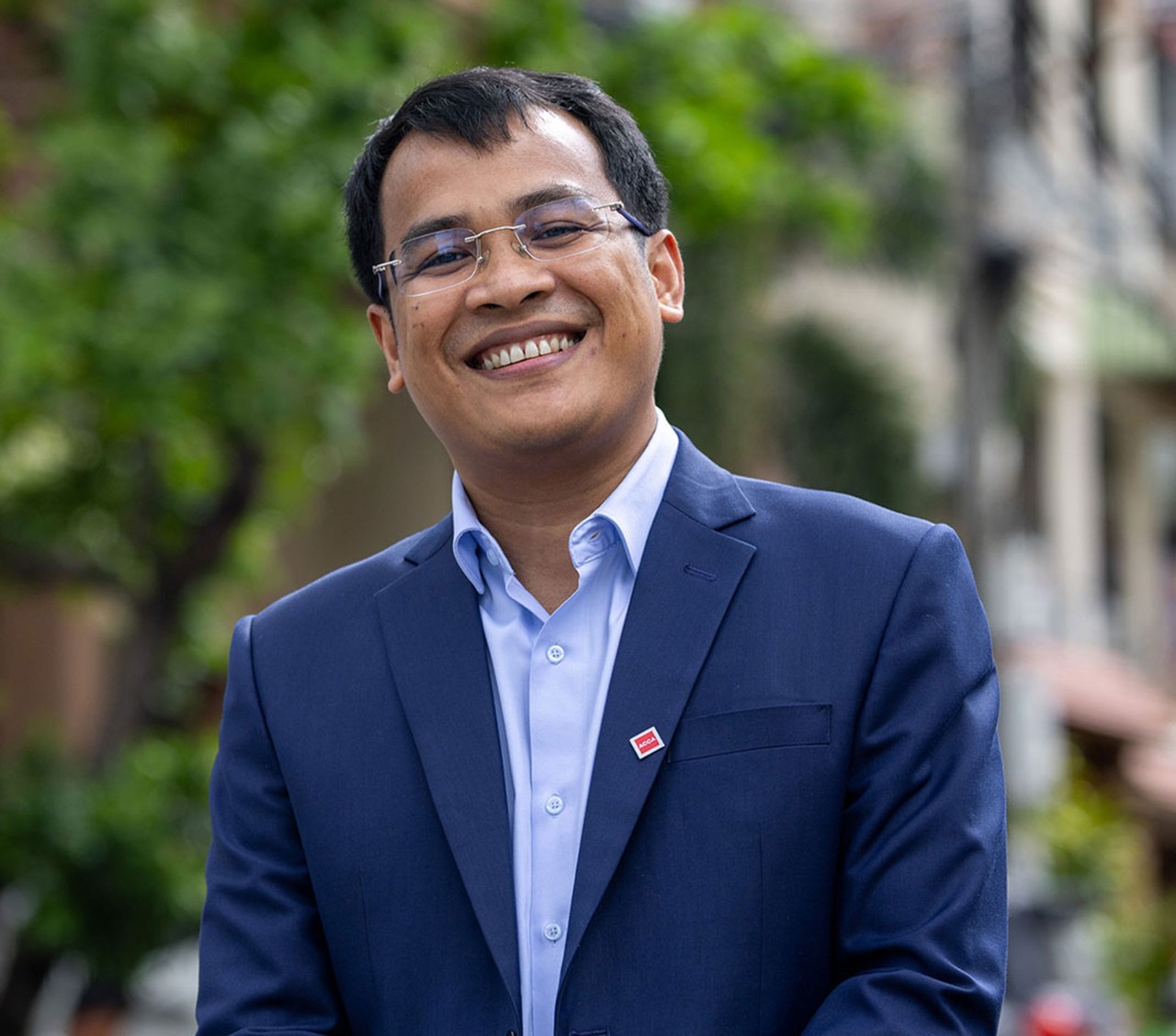
Rapid growth throughout South-East Asia and the ongoing digital transformation is fuelling demand for skilled professionals, says Derek How, deputy CEO at RSM Singapore.
‘For professional services in particular, our people are our greatest asset; building talent means building the future,’ he says.
Strategic imperative
These investments reflect a fundamental shift in how practices view talent development, increasingly looking at these efforts as a strategic imperative for long-term sustainability.
‘The core skillset remains indispensable, even in an era of rapid technological change’
They are also happening as the sheer volume of accounting talent drops. The number of students in accountancy in Singapore’s autonomous universities has fallen by more than 10% since 2018. And in Australia and New Zealand, over 90% of firms are struggling to recruit skilled accountants, according to Chartered Accountants ANZ.
And a July 2025 survey also highlighted concerns in 19 Asia-Pacific jurisdictions, with a broad consensus that there is a shortage of professionals.
‘Much like other trusted professions, the core skillset of accountants remains indispensable, even in an era of rapid technological change,’ says Shelley Chan, partner for people, performance and culture at KPMG in Singapore. ‘The role of a modern accountant has evolved significantly.’
Accountants now play key roles in business strategy, operational optimisation and sustainability issues, Chan says, with the role of a modern accountant evolving significantly beyond traditional reporting. ‘By developing these capabilities, firms not only strengthen their own teams but also contribute to a resilient, future-ready regional talent pool.’
Alternative pathways
Firms have also started to develop alternative pathways for non-accounting graduates. A case in point is a KPMG programme that provides graduates with an accelerated programme for coursework and on-the-job training in Singapore, enabling them to work towards the Singapore Chartered Accountant qualification in just two years.
‘These initiatives ensure that we attract and nurture diverse talent, creating inclusive pathways for individuals from various backgrounds to join the profession,’ says Chan.
In Singapore, EY is also collaborating with polytechnics to provide an alternative pathway for diploma holders from all disciplines who aspire to become qualified chartered accountants.
‘We upskill our staff so they can add value beyond traditional compliance work’
‘Through these programmes, students have the chance to learn our methodologies, gain industry knowledge, and utilise our technologies and tools, allowing them to develop skills that are highly relevant to the industry,’ says Liew Nam Soon, EY Asia East deputy regional managing partner.
Practices are also now emphasising emerging capabilities in artificial intelligence (AI), data analytics, sustainability reporting and digital transformation.
‘We upskill our staff in advisory and management skillsets so they can add value beyond traditional compliance work,’ How says. ‘Through these initiatives, we are building a sustainable talent pipeline, improving retention, and making the profession attractive to both new entrants and existing practitioners.’
KPMG has developed comprehensive training in data, digital transformation, sustainability and global leadership, with particular emphasis on AI, data literacy, analytics and ESG capabilities, says Chan. ‘This not only strengthens our teams but also contributes to the broader ecosystem, ensuring the profession remains resilient and prepared for the challenges ahead,’ she says, adding that the firm is also shaping university curriculums to ensure that they remain relevant and prepare students for the workforce.
Education partnerships
EY has partnered with higher education institutions to offer double degrees that combine accountancy with data science and AI. ‘This not only equips graduates with traditional accounting skills but also empowers them with the technological expertise necessary to thrive in an increasingly digital landscape,’ says Liew.
‘By investing in people, firms secure their future competitiveness’
Meanwhile, KPMG is engaging meaningfully with student communities in Singapore to build trust in brand talent. ‘By fostering such connections, we are working towards equipping the next generation of accountants with the practical skills, industry exposure, and innovative mindset needed to excel in a rapidly evolving profession,’ says Chan.
Developing talent is a business imperative, not just a social responsibility, says How. ‘By investing in people, firms secure their future competitiveness, strengthen local economies and make the profession more attractive to the next generation.’
More information
Read about ACCA’s new BSc Professional Accountancy programme in collaboration with the University of London