As Asia Pacific captures a growing 57% share of global real estate investment, according to Deloitte, accounting firms are seizing the opportunity to reimagine their workspaces as a competitive tool in the war for talent.
‘The priorities and needs of the workforce are rapidly changing,’ says Shelley Chan, partner for people, performance and culture at KPMG in Singapore. ‘Today, non-traditional career paths are becoming increasingly attractive to talent. Professional services firms therefore compete for talent with other players outside our industry, including technology firms and start-ups.’
‘A workplace must cater to the evolving needs of people to attract talent’
A report by Deloitte and Ace of Space found that 25% of leaders have already decided to return to offices post-pandemic, increasing on-site work, while another 53% are planning similar moves. As employers act on these intentions, demand for strategic office space is heating up.
To attract and retain top performers in this environment, leading firms like KPMG and Deloitte are investing in people-centric offices that prioritise wellbeing, flexibility and social connection. Their goal is to create environments where people want to be – not just to work, but to engage with colleagues and clients in meaningful ways.
Talent magnet
‘A workplace must cater to the evolving needs of people to attract talent,’ Chan explains. ‘It is at the core of our wellbeing strategy, meeting the diverse interests of our people and encouraging collaboration, innovation and growth through work and play.’
According to WTW research, 69% of Asia-Pacific employers now use wellbeing strategies to compete for talent. Accounting firms are embracing this trend, placing employee experience at the heart of their real estate transformation.
‘Our office transformation has resulted in higher utilisation of workspaces’
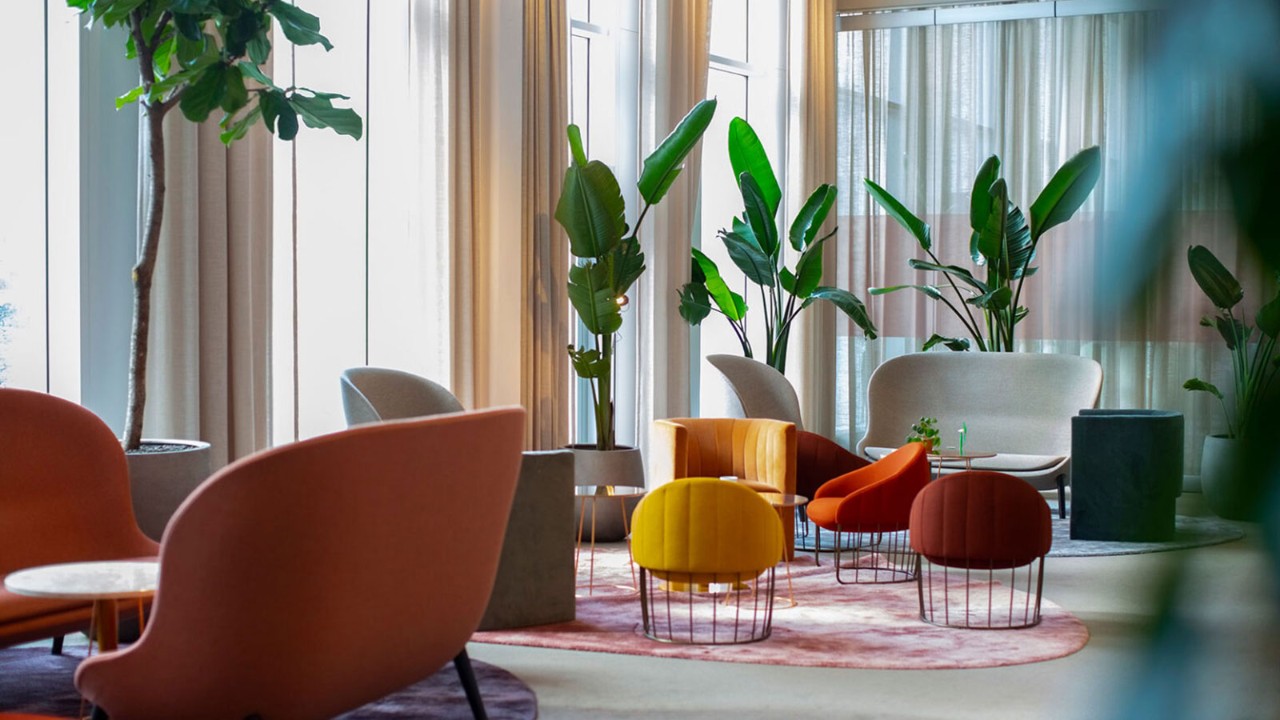
At KPMG Singapore, the crown jewel is the KPMG Clubhouse. Located on the 15th floor with panoramic city views, the multifunctional space features modular designs for hosting events, along with recreational areas for foosball, arcade games and communal dining. A lush vertical garden provides fresh ingredients for healthy meals.
‘Given that close to 70% of our people are under 35, these features also help us cater to youths who increasingly view the office not just as a place for work but also social interaction,’ says Chan.
Smart spatial planning enables seamless transitions between focused work and impromptu conversations. All meeting rooms are video-enabled for effective hybrid collaboration. Personalised recognition displays and eco-friendly design elements, such as maximising natural light, further enhance the employee experience.
The impacts speak for themselves. In KPMG’s 2024 Global People Survey, 81% of staff agreed they can work where they are most effective in meeting client, business and team needs.
‘Our office transformation has resulted in higher utilisation of workspaces,’ Chan reports. ‘Our workspaces are now livelier on Mondays and Fridays, showing that the office remains relevant – not just as a place to work but as a space where professional life flourishes.’
Tailored to people
Deloitte is taking a similarly holistic approach through its Work Well transformation across Asia Pacific. The goal is to embrace modern ways of working that promote consistent wellbeing, explains Sonia Breeze, Deloitte Asia Pacific’s chief people and purpose officer.
‘We know that having an accessible and inclusive workplace contributes to greater wellbeing, innovation and creative thinking,’ says Breeze. ‘Our Asia Pacific Accessibility and Inclusion Commitment includes a universal design across every office to ensure they are accessible to our people, regardless of age, disability, background or any other factors.’
‘We have introduced technology-enabled smaller spaces with built-in flexibility’
Deloitte’s Sydney office at the award-winning Quay Quarter Tower embodies this concept. The space features vertical communities enabled by internal atria and central staircases, along with ample collaboration zones and restorative amenities. Interiors highlight Australian-designed furniture, locally sourced materials and panoramic harbour views.
‘Through our decision to redesign office spaces, we have not only responded to global workplace trends but also tailored our environments to meet the expectations and values of our people,’ Breeze explains. ‘The result is a space that fosters collaboration, wellbeing, flexibility and a strong sense of connection to place and community.’
Similar principles guide Deloitte’s offices across Asia Pacific. In Hong Kong, vibrant central atria serve as connection hubs, while South Asia locations maximise natural light and choice through activity-based layouts. In New Zealand, meanwhile, Auckland’s new 1 Queen Street office features local design motifs and a central café that brings people together.
Data-driven design
Facilities management business JLL identifies people-centric design as the key trend for 2025, where workspaces prioritise human experience, wellbeing and meaningful social interaction. This approach is being enhanced by artificial intelligence and advanced technology, enabling data-driven design decisions that better respond to user needs and behaviours.
The use of technology is becoming integral to modern office design. Smart meeting rooms, robust wi-fi networks and intuitive booking systems are now standard features. ‘We have introduced technology-enabled smaller spaces with built-in flexibility, giving people more options for how they connect and collaborate,’ says Breeze.
The focus on client experience is equally important. Deloitte’s client floors are intentionally crafted to feel welcoming and functional, encouraging visitors to stay and co-create solutions. Meeting spaces are equipped with state-of-the-art technology to enable seamless collaboration between in-office, remote and hybrid teams.
‘By placing choice, flexibility, technology and culture at the heart of our designs, we create modern, appealing spaces that drive productivity and empower people to thrive professionally and personally,’ says Breeze.