My career as a finance professional started in practice after I finished my accountancy degree. Working first at Deloitte and then KPMG, I gained a strong grounding in governance, accountability and the discipline of high-quality assurance. I then worked for the NHS for a period before moving into the private sector. This enabled me to develop a deep understanding of how organisations manage risk, deliver services, seek new business and shape growth strategies.
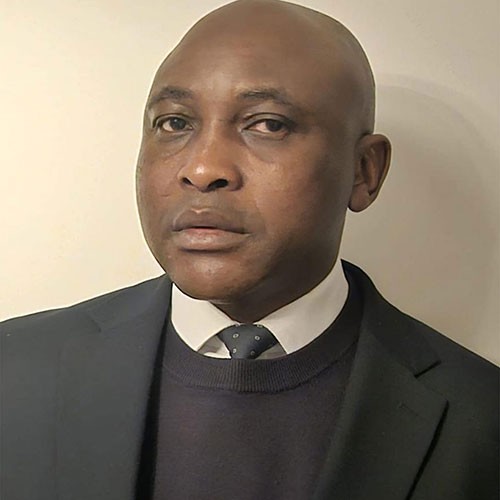
Nearly two decades later, in 2024, I returned to the NHS. Being appointed managing director of Barts Assurance felt like a meaningful return to public service and a chance to apply my experience in a setting where assurance directly supports patient care and organisational improvement.
What I enjoy most about my job is how the NHS evolves continuously in response to new pressures and expectations. When I first joined, I was told light-heartedly that the only constant is change. This has proved true, but that dynamism is what makes the work rewarding. Assurance plays a vital role in helping our organisation navigate complexity while remaining focused on patient care.
The future of the profession will depend on a commitment to maintaining trust
AI is transforming how services are delivered across the NHS, and assurance functions must evolve alongside it. Barts Health is pioneering new approaches in the use of AI across clinical and corporate functions. This includes support for diagnostics, patient flow and operational processes. I have a rare opportunity to help shape the governance and assurance frameworks, ensuring that innovation is safe, ethical and aligned with public expectations.
I am motivated by being able to contribute to an NHS where strong governance, thoughtful innovation and public trust remain at the heart of healthcare. I have presented on AI and the future of internal audit, exploring how technology is reshaping the assurance landscape. A message that still chimes with me is: ‘AI is transforming how we detect risk, but it is human judgment that determines whether we act wisely.’
For assurance professionals, the task ahead is to understand how AI operates. We also need to challenge its outputs and ensure that its use remains ethical, proportionate and in the public interest. As AI becomes more embedded in processes, assurance teams will need to closely scrutinise data quality, including for potential bias and ethical implications. The future of the profession will depend on curiosity, adaptability and a commitment to maintaining trust.
If I had law-making powers, I would require full transparency in automated decision-making
If I had law-making powers, I would require full transparency in automated decision-making. Organisations would have to disclose when AI influenced outcomes in areas such as recruitment, healthcare or public services, and to explain clearly how decisions were shaped by data and algorithms. This must include explicit assessments of bias to ensure fairness and public trust
My biggest achievement has been balancing professional development, academic study and family life. I raised a young family while completing my MBA, and maintaining a demanding career required discipline and commitment.
If I wasn’t an accountant, I would almost certainly have become a ranger protecting game. I am fascinated with wildlife, something shaped by many safaris and my great appreciation of the natural world. Sport is also very important to me; I have coached a youth football team, and rugby also plays a significant part in my leisure time.


