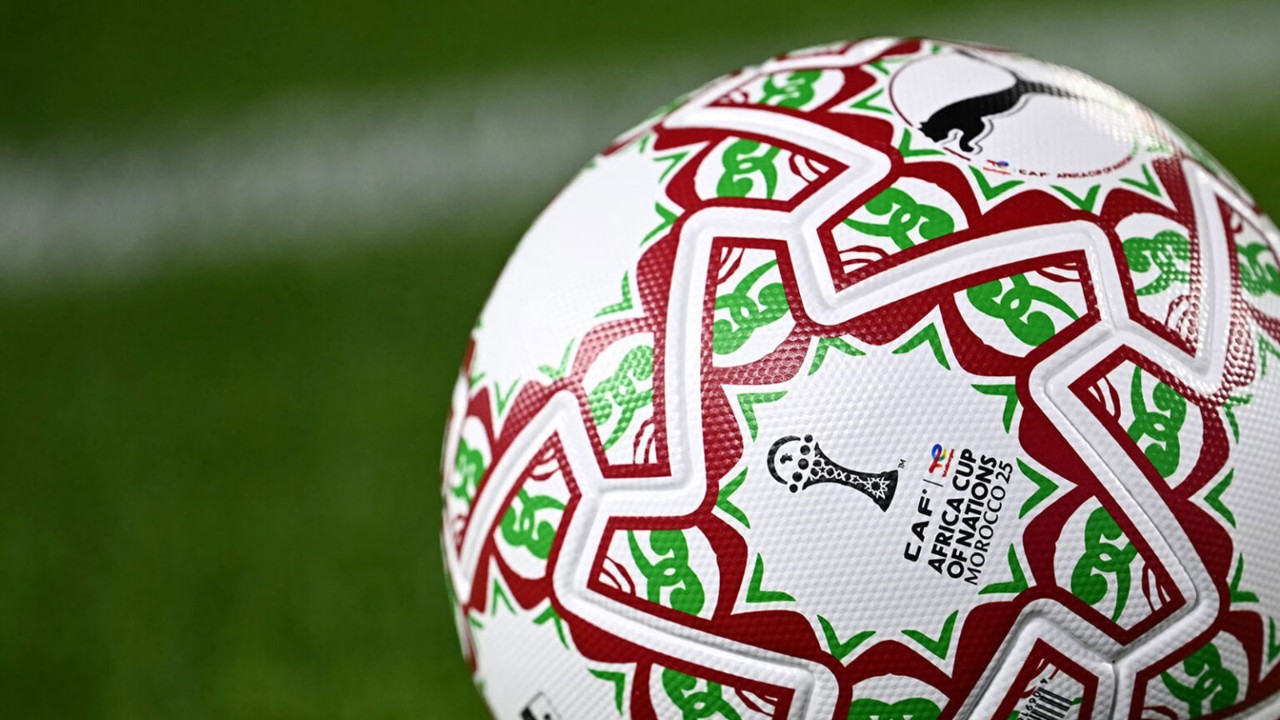
While Egypt’s global icon Mohamed Salah and Senegal’s Sadio Mané are among the many elite performers wowing football fans at the Africa Cup of Nations (Afcon) 2025, the tournament itself is netting record revenues nearly double that of any previous event.
The 52-game, 24-team extravaganza currently unfolding in Morocco is expected to generate revenues of over US$190m, according to the 2025/26 budget projections of the Confederation of African Football (CAF). African football’s governing body also believes it will deliver a net profit of US$113.8m.
More lucrative sponsorship agreements have been the key
Those figures suggest Afcon 2025 will be both a sporting and business success. The previous event, in 2023, hosted by Côte d’Ivoire, delivered then record revenues of US$105.6m as well as a US$72m profit.
Big figures
A major revenue driver has been more lucrative sponsorship agreements. Afcon 2025 has 23 partners, including the title sponsor, French energy giant TotalEnergies, which signed a four-year sponsorship extension in 2025, worth a reported US$1.125bn in total. The agreement marks a significant financial boost for African football, and represents a substantial increase from the previous eight-year agreement, which was reportedly worth US$250m in total.
Patrick Pouyanné, chairman and CEO of TotalEnergies, says: ‘This extension allows the company to keep celebrating African football alongside all its stakeholders, customers and employees, and to share the commitment and passion of millions of Africans.’
Afcon 2025 also boasts eight global partnerships, with deals struck with Orange, Puma, Suzuki and Visa among others. Total sponsorship revenue is projected to be US$126.2m.
Afcon accounts for around 80% of CAF’s revenue
Broadcasting rights form another crucial pillar of tournament revenue. Media deals are contributing US$46.5m to the tournament, which is being televised across multiple continents, and include a record 20 partnerships across Europe, covering 30 territories.
Ticketing and hospitality revenue is projected at US$19m.
Funding football
Afcon revenue growth is hugely important, as the tournament accounts for approximately 80% of CAF’s revenue.
These deals allow CAF to fund infrastructure such as stadiums and training facilities, tournament operations and development programmes, all crucial elements to boost the sport’s standing from the grassroots up.
Tournament prize money has more than doubled to US$32m, up from US$14.8m two years ago. The Afcon 2025 winners will take home US$10m, an increase of US$3m.
CAF president Patrice Motsepe says: ‘For the winners, prize money was less than US$5m before the 2023 edition. We will continue to increase the prize money for the most important competition in Africa. That is the key objective as we move forward.’
The goal was to make African football financially self-sustaining
Weaknesses tackled
It is, though, the financial and operational transformation of CAF over the past few years that has provided the real platform for growth.
In 2020, PwC described CAF’s accounting records as ‘unreliable and not trustworthy’ after an independent audit. A ‘series of concerns’ about the organisation’s financial management and governance were listed over 55 pages.
Motsepe responded the following year by announcing that CAF would embark on a strategic turnaround plan to make African football both globally competitive and financially self-sustaining. Key elements included stricter financial controls, the professionalisation of CAF’s operations and modernised governance processes, in line with best practices around the world.
CAF introduced auditing and ethics global best practices, as well as zero tolerance of corruption and bribery. Qualified professionals were brought in to fill high-level positions. They included Richard Torsu FCCA, who joined as CAF’s finance director in November 2021 (read his AB interview ‘In it to win it’).
‘Our financial discipline and revenue management are now in great shape’
Rigorous restructuring
Torsu restructured the finance department and introduced stricter financial controls. In 2023/24, the body reported a US$9.5m net profit, its first for several years.
‘When I joined, there was little structure for managing revenue and collections,’ Torsu says. ‘I established an event controlling function, created dedicated teams for ticketing and revenue collection, and co-led contract negotiations with our media partners and sponsors to secure favourable payment terms. I am now designing procurement category manager roles to maximise contract value while providing strategic guidance on spending and budgeting in line with our revenue outlook.
‘We are now in great shape on our financial discipline and revenue management at CAF, ensuring timely prize money and service provider payments. We have also now perfected timely sponsor invoicing and efficient ticket monetisation, and improved our overall cashflow.’
Global stage
Since the inaugural Afcon in 1957, it has been held every two years since 1968. The ongoing evolution of African football will see Afcon held every four years from 2028 onwards, as the tournament aligns with the global football calendar.
The future for African football seems bright. The Royal Moroccan Football Federation renovated or rebuilt nine sports facilities for Afcon 2025, and the country is now ready to co-host the 2030 Fifa World Cup alongside Spain and Portugal. It will be the second time the continent has held the World Cup, following South Africa in 2010. It should deliver a further shot in the arm for African football – one that CAF is determined to capitalise on.
CAF’s Afcon revenues
2025
US$192.6m (projected)
2023
US$105.6m
2022
US$79.7m
2019
US$83m
2017
US$67m


