
It was mid-November last year, on a Sunday afternoon, and the customer information placard by the escalator at Piccadilly Circus station in the heart of London bore three handwritten messages, all underlined and surrounded by asterisks: ‘Piccadilly Line Suspended’; ‘Bakerloo Line Severe Delays’; ‘No Access To Heathrow Airport By Train’. Exclamation marks were liberally scattered around.
In the depths of the station, I came across a London Underground employee of mature years discreetly sitting away from the crowds. We chatted amiably. He was a senior engineer. There were good reasons for the chaos. But, as he explained, whereas when he was a young lad and people aimed to fix things, these days they didn’t. They were well paid but didn’t need to be ambitious about getting things done. They cruised along to the end of the day, the week, the year.
He was glum and headed off to fix the things he could. Ten days later, the annual Reith Lectures started on BBC Radio 4. They are one of the many great BBC institutions – a series of lectures by a provocative thinker of the times. The legendary philosopher Bertrand Russell gave the first as long ago as 1948.
Talent could now coast happily in areas that were less productive
Performative preoccupation
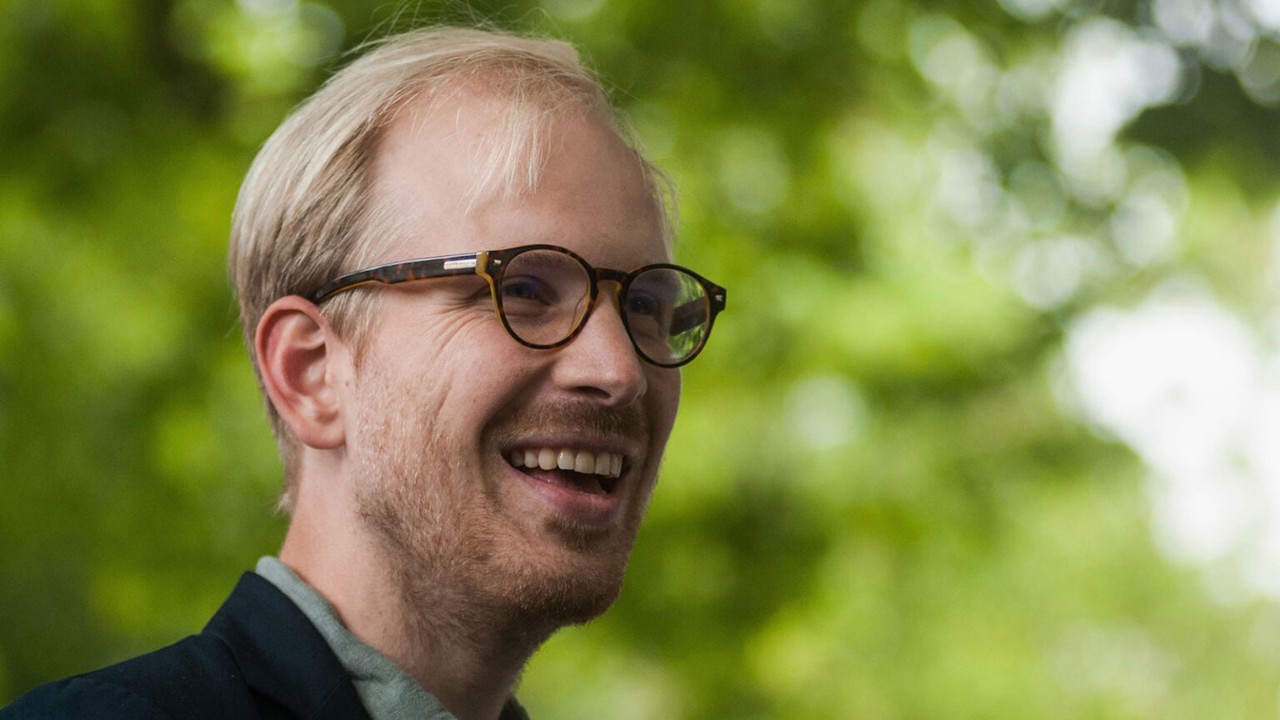
This time they came from a Dutch historian, Rutger Bregman. And as I listened I thought of the engineer on the Bakerloo platform just a few weeks earlier, because what Bregman was talking about was essentially about how much talent and effort went into what people now call ‘the performative’. Politicians are more preoccupied with maintaining their positions than delivering policies that will enhance people’s lives. Likewise business and finance.
‘We’ve trained a whole new class, not of builders and creators, but of compliance officers, ESG auditors, sustainability verifiers and data protection consultants’, argued Bregman in his first lecture. ‘Regulate before you innovate, supervise before you create.’
At the very least it was ‘a waste of talent’. Talent could now coast happily in areas that were less productive. ‘The biggest problem in the world today isn’t climate change, future pandemics or democratic collapse’, he said. ‘It’s that far too many brilliant minds are working on everything but those problems’.
‘Solving poverty or homelessness costs far less than managing and policing it’
He also argued the need for a new elite, ‘not of birth, wealth or silly credentials, but of massive positive impact. I’m talking about a skin-in-the-game elite, about people who use what they have – their human, financial and cultural capital – to make a huge difference. Our goal should be to make future historians proud.’
Change the focus
The focus needs to change. The right people are doing the wrong things. Bregman argued for a business and political environment ‘where the brightest minds don’t waste their energy polishing PowerPoints at McKinsey, but build high-speed rail or cure entire classes of disease’. And the focus needs to be on ensuring politicians make an effort to make things work.
‘Too many of our problems are created by rules of our own making’, he said. ‘Zoning codes that ban new housing, permits that trap wind farms in years of paperwork, procedures that reward stalling instead of doing. These aren’t minor inconveniences. They’re why rents are sky high, why commutes are miserable and why clean energy isn’t rolling out fast enough. It’s scarcity by design, and it fuels the resentment that dominates our politics’.
The idea that we cannot afford such changes needs to be knocked on the head as well. ‘What looks expensive is actually efficient’, he argued. ‘Solving poverty or homelessness costs far less than managing and policing it’. In short, our aim should be radical improvement to make things better, not just the keeping of stuff ticking over.


