
Almost exactly 50 years ago I pushed open a heavy Georgian door on Dean Street in Soho, London, right opposite where Karl Marx once lived. It was the start of my new career. Once I had crossed that threshold, I became a journalist.
By the end of the day I had written my first story for the weekly magazine on which I was now a staff writer, Accountancy Age. My first headline: ‘More take account of inflation’. Companies were indeed navigating their way through the corporate governance pitfalls of the day.
Accountancy Age was where it was at in financial journalism. It was another brilliantly shiny magazine in the Haymarket publishing empire of Michael Heseltine – like me, someone who had given up on the unequal task of passing his accounting exams. By the time I pushed open that door and took my place behind a typewriter, it had a brilliant young staff. The accountancy profession didn’t know what had hit it. The firms referred to us as the Private Eye of accountancy. They didn’t mean it as a compliment.
Serious business
They were lively times for accountants. We produced an annual tally of the companies that had had their accounts qualified by their auditors. We started forensic examinations of what had gone wrong and what the profession needed to do about it. And these were the days when government, unlike now, took issues of corporate governance seriously.
They were tough times, and many accountants stood their ground
A company crash with disastrous consequences would have two inspectors appointed by what was then the Department of Trade and Industry. One would be a leading accountant, the other a leading lawyer. The resulting reports would be absolute crackers, certainly as far as journalists were concerned.
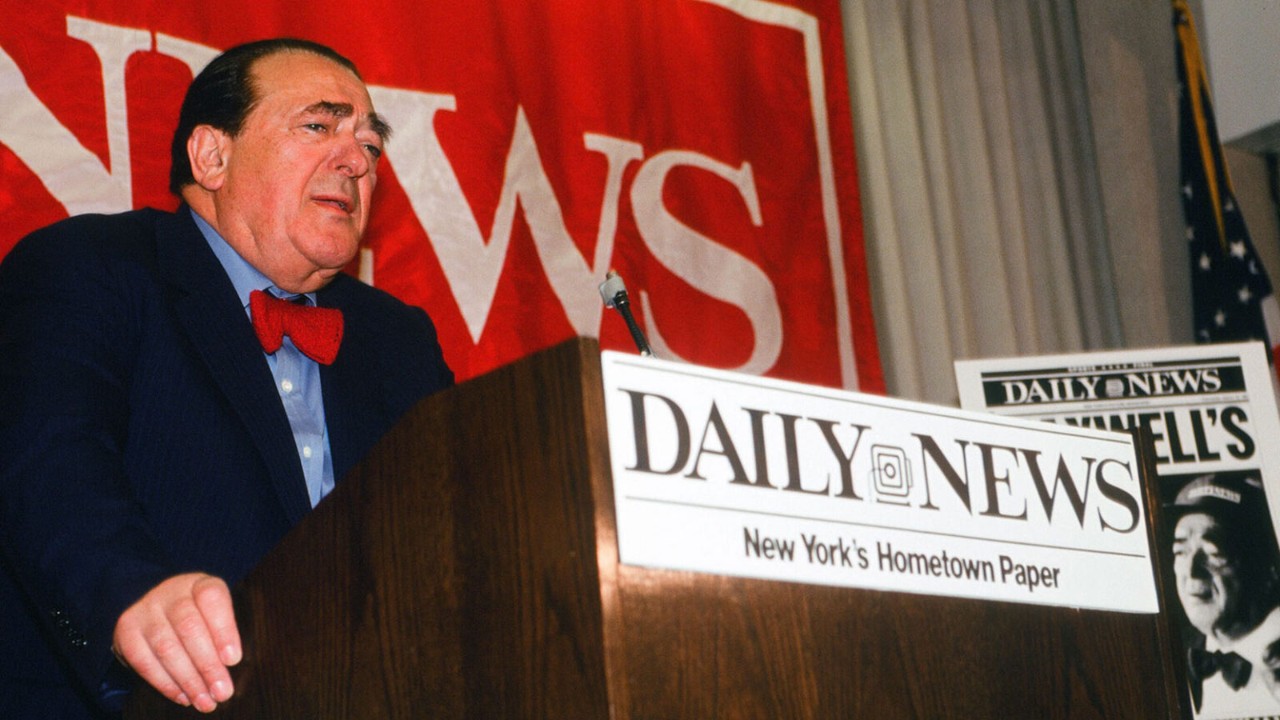
When Ronald Leach, the senior partner of Peat Marwick (now KPMG), reported on the media empire of Robert Maxwell after the collapse of one of his companies, his report roared out that Maxwell was unfit ‘to exercise proper stewardship of a publicly quoted company’. They were tough times, and many accountants stood their ground.
If you were having fun writing the news, readers would pick that up
On one occasion several years later when I was the editor, the senior partner of one of what was then the Big Eight accountancy firms came to our offices. He had heard about what we were publishing about his firm that week. He wondered what it would cost if we could pull the edition containing the embarrassing disclosures and print an entirely new edition without his firm in it. Sadly, he had little appreciation of the publishing schedules of weekly magazines – the issue was already in the post.
Buzzy
Not that we would have changed it anyway. There was a buzz in the air. People were waking up to the importance of accountants for financial reporting, corporate governance and regulatory rigour.
We launched an annual parliamentary lunch, intent on educating Westminster about the importance of reforming tax and understanding financial stuff. We failed at that. Every year we held a Budget Day reception upstairs in L’Escargot, Soho’s finest restaurant at the time, for the best of the tax and business world. The owner sent us a note after one saying he thought we would like to know ‘your party was a new world record for house wine consumption’.
The idea was that if you were having fun researching and writing the news, then that would communicate itself imperceptibly to the readers. It paid off.


