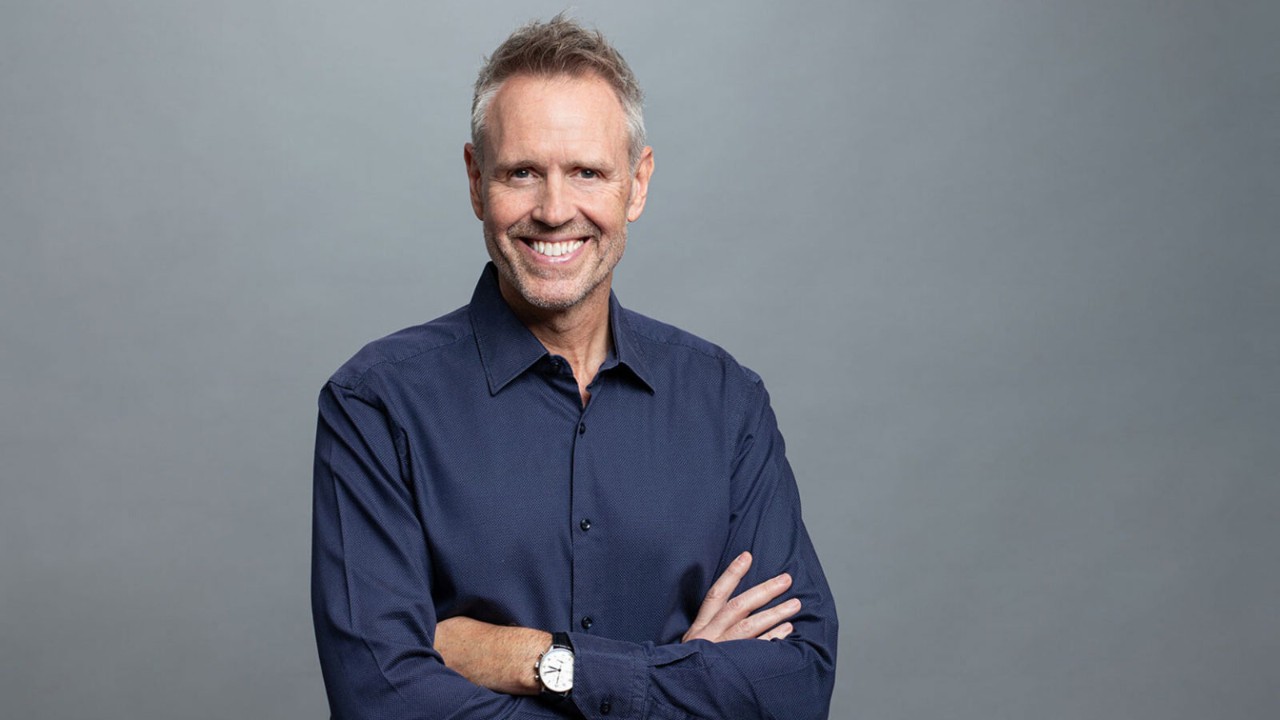
The transformation of the CFO role continues apace in finance. New technology and new expectations have elevated a once operational position into something far more dynamic and aspirational. ‘You are no longer just a scorekeeper of results from across the business. You are expected to be a value architect,’ says Ken Hickey FCCA.
It’s a gear shift that inspired the setting up of Ken Hickey Advisory, a boutique executive coaching and mentoring service that draws from a deep well of operational experience and an enduring passion for teaching and coaching.
‘The shift into the CFO role is a fundamentally different way of leading, thinking and being’
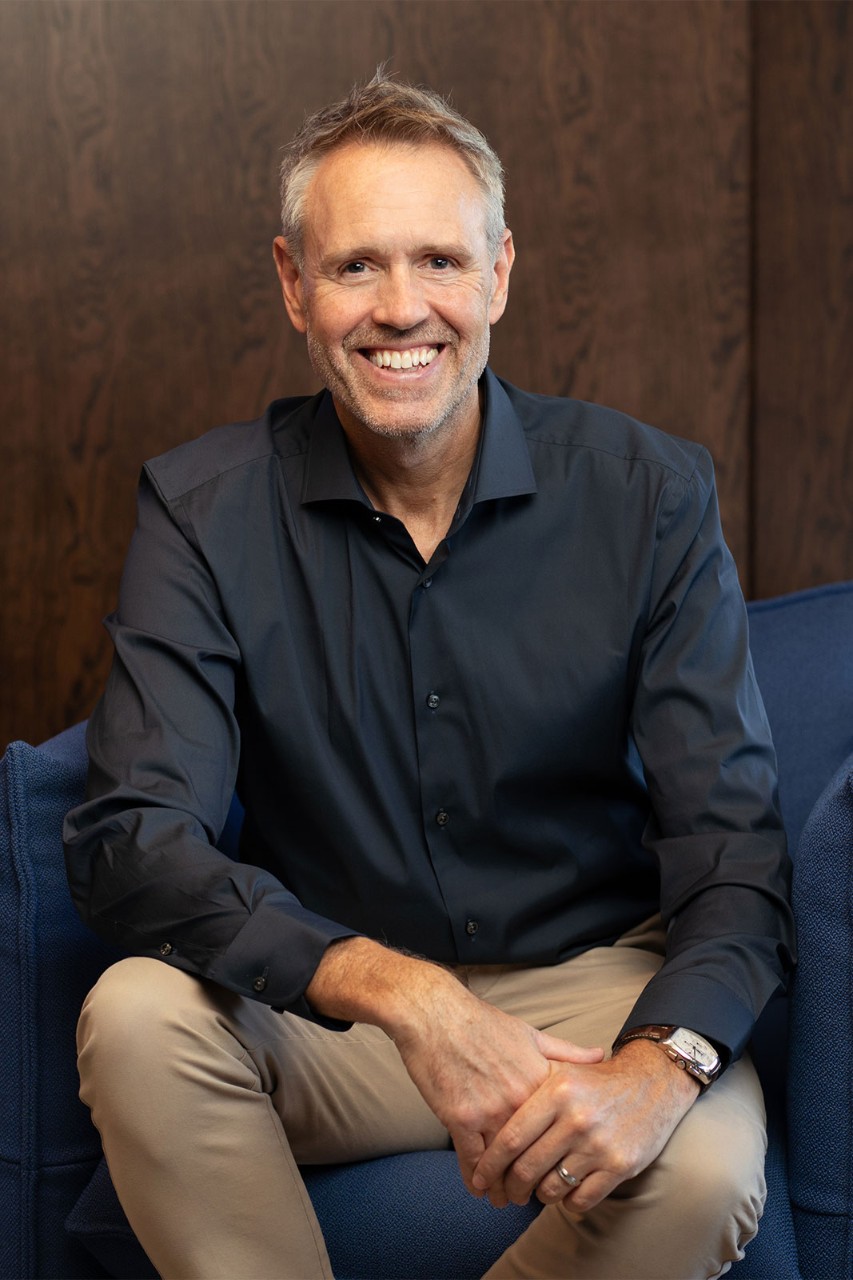
The Dublin man has certainly walked the walk – a 30-year corporate career included stints with Hertz, GE and AIG, and culminated in CFO of Worldwide Operations with Microsoft.
From leader to mentor
As he progressed, ‘a couple of things became evident to me’, he says. ‘I was hugely interested in tackling problems and building business capability, but I was also really motivated by opportunities in personal development. When the chance came for a new chapter, it seemed natural to me to pivot to mentorship; that’s what had given me the most satisfaction.’
Hickey’s focus on supporting CFOs in particular is born out of his own experience: ‘The shift into the CFO role, after a traditional finance career path, is not a promotion – it’s a fundamentally different way of leading, thinking and being. Much of the development path a CFO takes does not prepare them for this – essentially a move from being a good business partner to becoming a real executive presence.’
Genuine connection
As to how Hickey enters an individual CFO’s life as mentor, he says established networks and recommendations are the typical pathway, with platforms like LinkedIn increasingly important. Once introductions are done, the key is to make a genuine connection.
Any expectation of a tick-box consultancy experience, with the next generation of buzzwords in play, would be misplaced to say the least, he smiles. ‘This is not going to be a conversation about concepts and ideas. It’s about deepening self-awareness and reflection. By the time a person is CFO, they are a mature individual. They may be carrying ideas with them since childhood, or that have accrued along their career, that are barriers to unlocking their full potential’.
‘You look at someone without putting them in a box’
Underpinning it all is a simple principle: ‘I’m an absolute optimist when it comes to people and their potential to achieve,’ he says. While he insists there is no guru out there who has inspired his approach, his way of thinking was profoundly influenced in his Microsoft years by CEO Satya Nadella’s introduction of the ‘growth mindset’ as a core cultural philosophy. The learnings from that time, Hickey says, were that ‘you look at someone without putting them in a box and you recognise that we can all grow, develop and reach our potential at any time’.
Grounded optimism
That grounded optimism is also visible when it comes to talking about that gear shift every CFO is thinking about in 2026: AI. ‘In most companies, data is everywhere, but it is patchy and unreliable. Finance is the exception – we have many years’ experience in managing data really well, so it’s the perfect foundation for high-quality results from AI usage,’ Hickey says.
‘Finance departments are conditioned to expect change ahead’
Add to this the fact that finance teams are unusually well disposed to change. ‘Most finance departments have gone through a number of transformations in the past – from centralising processes to outsourcing. They are conditioned to expect change ahead,’ he points out.
CV
2023
Sets up Ken Hickey Advisory
2017
Begins ongoing role as lecturer in business strategy, University College Dublin
2011
CFO, Worldwide Operations, Microsoft
2010
CFO, Worldwide Communications Sector, Microsoft
2002
Finance director, Hertz Europe
His advice to those ambitious ACCA members caught up in the flux and coveting that ever-challenging CFO position? Firstly, they can take comfort that the ACCA qualification has set them on the right track. ‘Having led teams with really global dimensions, I always felt it was important to them that the person leading them was a qualified accountant,’ Hickey says. ‘ACCA provided me with that confidence. It has always been a real source of credibility and pride.’
Take charge
As for ascending the corporate ladder, he says, ‘It’s important to identify where you are on the development curve with your current role and to continue learning and challenging yourself.’ Fundamentally, he says, ‘you need to take charge of your own career and make sure it’s not in the hands of anyone else, and you need to be really selfish about this’.
‘When you feel momentum behind you, you are more attractive to employers’
An anecdote from his early career provides insight into his thinking: ‘One day, I came home from the office, absolutely delighted with myself. I told my wife: “I really nailed it today at work. Best day ever.” She reasonably suggested that, three years into a job I had worked so hard at, I could maybe relax a bit now.
In fact, I realised the opposite was the case; this was the ideal time to step into the marketplace and see what was on offer. When you feel momentum behind you, you are more attractive to employers and you make better choices.’
In a time when unknowns are plentiful and accumulating fast, Hickey’s upbeat, human-centric approach is a reminder that people, and their ability to choose and change, remain every finance function’s greatest asset.
More information
Read the ACCA/BDO report on how the role of the CFO is evolving beyond finance to include reporting on the value-centric aspects of operations


