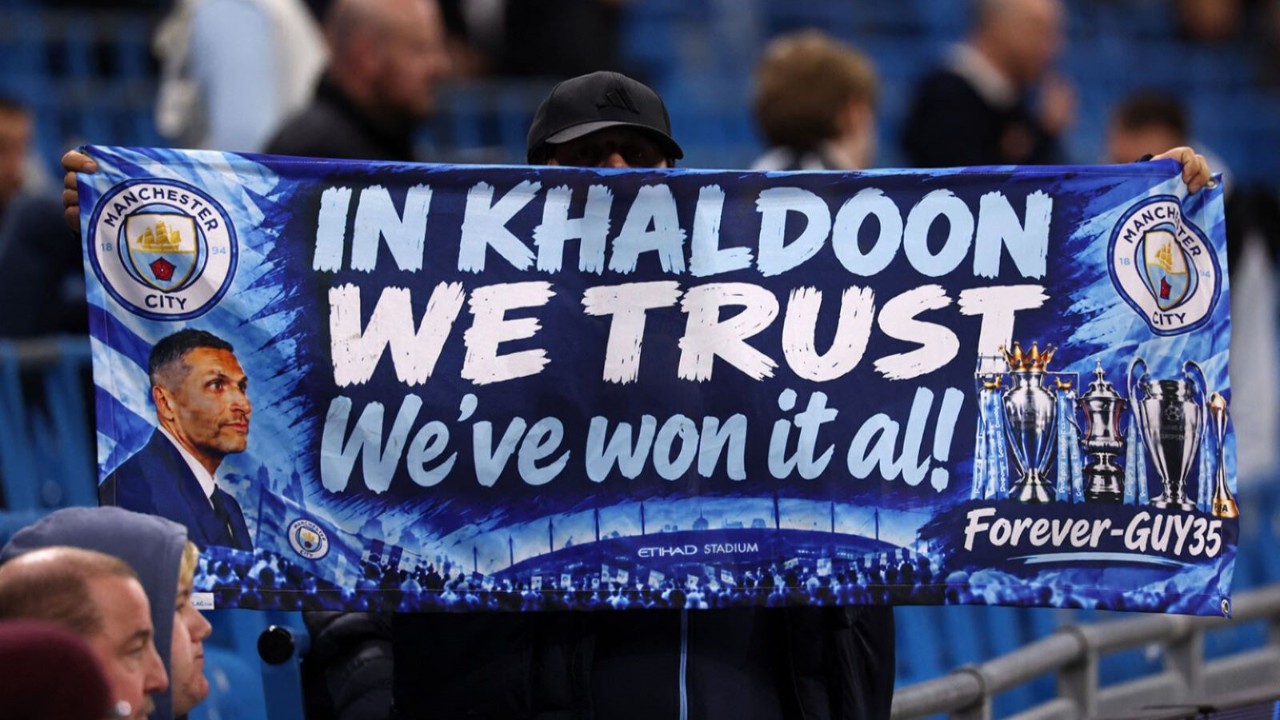
Accusations about Manchester City FC’s tax affairs and HMRC’s league table of ‘deliberate tax defaulters’ has put the role of the tax adviser firmly back in the spotlight.
In September, an independent commission found Manchester City guilty of all charges relating to serious breaches of the Premier League’s financial rules over a nine-season period. The club was found to have filed misstated accounts and concealed the true state of its finances from its auditor BDO, and the Financial Reporting Council confirmed in October that it will look into the accounting irregularities.
The breaches include Man City reportedly making hidden payments to former manager Roberto Mancini through a sham consultancy. Documents identify payments routed to his company, Sparkleglow Holdings, and evidence points to £12m in unpaid UK tax. The club has lodged an appeal against the findings.
HMRC has new powers to investigate tax advisers who breach the rules
The story has prompted the chair of the House of Commons treasury committee to ask HMRC about the tax implications of the Manchester City investigation and any other potential tax avoidance within football clubs.
Just this year, HMRC issued Newcastle United with a demand for £3.2m (which included a £1.25m penalty) over a ‘deliberate’ failure to pay tax between 2010 and 2016 under its former owner, Mike Ashley. Now owned by Saudi Arabia’s sovereign wealth fund, Newcastle subsequently reached a civil settlement of the matter with HMRC that involved no admission of deliberate wrongdoing .
Increased powers
These events and others have prompted HMRC to increase its efforts to tackle ‘professional enablers’ of tax evasion. Since April 2026, it has had greater powers to tackle dishonest advisers who intentionally facilitate non-compliance in their clients’ tax affairs. The powers strengthen HMRC’s ability to investigate advisers who breach the rules and introduce tougher penalties linked to any tax revenue lost through their actions.
In addition, the government has introduced a requirement for tax advisers who interact with HMRC on behalf of clients to register and meet minimum standards. The policy objective aims to build and maintain trust in the tax system, deter deliberate misconduct and ensure that advisers who breach professional standards face meaningful consequences.
‘Tax advisers play a vital role in our tax system,’ says an HMRC spokesperson. ‘The vast majority are competent, adhere to professional standards, and support their clients to pay the correct tax. A very small minority of advisers enable non-compliance in their clients’ tax affairs. That’s why the government has introduced stronger powers for us to deal with advisers who do not meet minimum standards or facilitate non-compliance.’
‘As HMRC closes one loophole, another opens. It is cat and mouse’
‘HMRC is constantly finding new areas to look at,’ says Elliott Buss, partner at UHY Hacker Young. ‘It is often described as an arms race between HMRC and the tax advisers, with advisers exploiting newly found loopholes within the rules and HMRC then trying to shut those loopholes.’
Julie Palmer, BTG managing partner, reasons that whatever action the government takes, advisers will always find new ways to save clients’ tax, within the rules. ‘As HMRC taxes with an ever tighter net, tax specialists will naturally look to break out of the net with creative accounting policies. But as HMRC closes one loophole, another one will open. It is a cat and mouse game.’
Unintended consequences
One notable target in HMRC’s sights are promoters of marketed tax avoidance schemes. HMRC has driven the tax gap for these schemes down from an estimated £1.5bn in 2005/06 to £200m in 2024/25. It has also gained additional powers to dismantle the business models of the small number who promote and enable avoidance schemes.
While tax advisers support HMRC’s tougher stance, they warn the measures could impact the overwhelming majority of compliant advisers who provide bespoke tax advice.
‘The impact on thousands of genuine advisers could be disproportionate’
‘The concern is that the potential impact on tens of thousands of genuine advisers could be disproportionate compared to the deterrent effect on the 20–30 hardcore promoters,’ says John Cassidy, partner and head of tax resolutions at Crowe. ‘They are the real target that HMRC should specifically and rigorously focus on.’ (For more on this, see AB’s ‘Avoidance crackdown raises concerns’.)
Image rights
One of the next loopholes set to be closed is the tax rate on image rights payments, popular among football and rugby players. From April 2027, these payments will be subject to rates of up to 47% on image rights income linked to their employment, compared with corporation tax of up to 25% through an image rights company. It was generally understood that clubs could treat up to 20% of the salaries paid to players as a payment for the use of their image rights.
The clampdown again follows a small number of unethical advisers pushing the tax efficiency too aggressively.
‘A small number of advisers have pushed the envelope too far’
‘Image rights have been in football for 30 years,’ Buss says, ‘but a small number of advisers have pushed the envelope too far and spoilt it for everyone. Generally speaking, rugby clubs have a concrete list of hurdles in order to justify image rights deals, but some football club employees were paid this way and it couldn’t be justified.’
So while HMRC enjoys increased powers, tax specialists will continue to search for efficiencies for their clients, and although a few rogue advisers may cross the line in doing so, the vast majority will be certain to stay onside.

