
When an African entrepreneur pays an overseas supplier, or an African in the diaspora sends money home, it goes through conversions that can be expensive, involve a number of intermediaries and take hours to conclude. This is in contrast to the speed with which money moves within countries – in seconds. If money can move instantly within many African countries, why is sending it across borders, even within Africa, still so difficult?
Over the years, there have been attempts at solving this problem, including the use of cryptocurrencies such as Bitcoin and Ethereum. These currencies, however, are not a viable solution because they are too volatile. Into this gap steps the stablecoin.
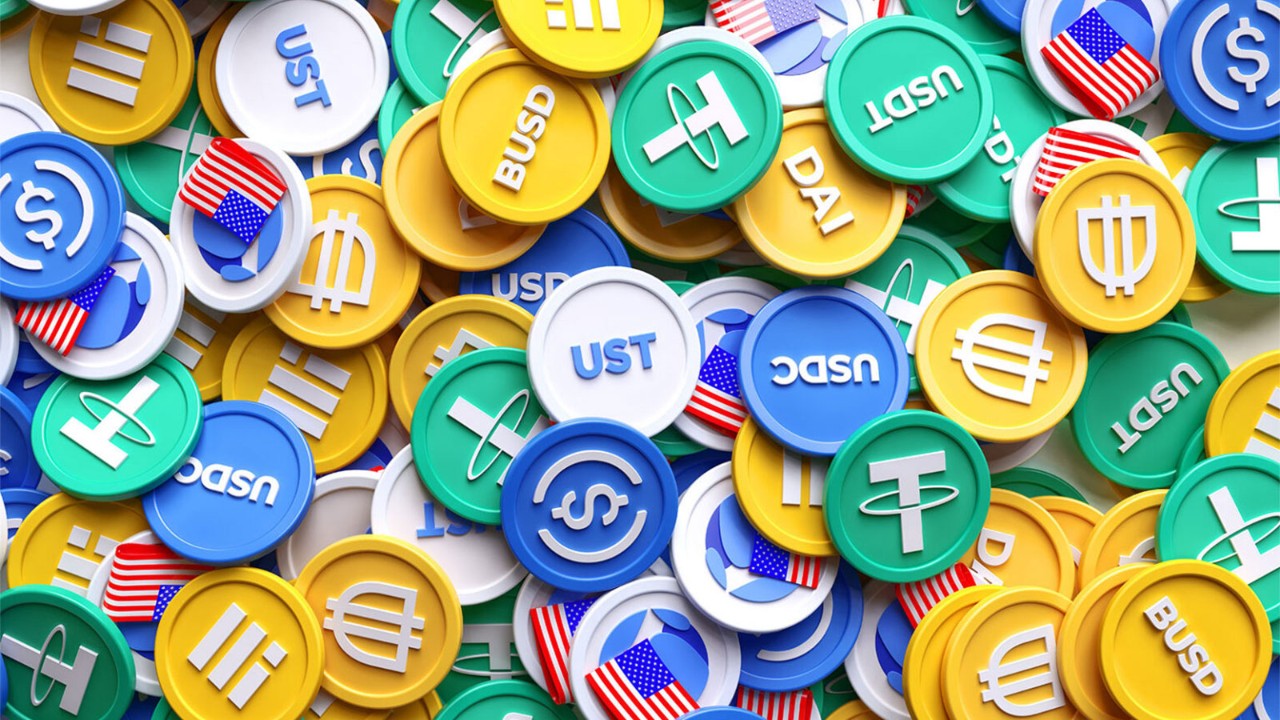
Designed to maintain a stable value against a referenced asset, commonly the US dollar, these digital tokens come with definite benefits. They maintain much less volatility in value than other cryptocurrencies, are not issued by a monetary authority as central bank digital currencies are, and are not a conventional bank deposit. This means that they combine the benefits of stable value with those of security, flexibility and, to some users, no central control.
Stablecoins maintain much less volatility in value than other cryptocurrencies
Dollar-backed stable coins track the dollar and are backed by cash and short-term, risk-free government securities of an equivalent amount held in custody. So, while the digital tokens circulate among users, the reserves remain with the issuer and their custodians. Reliability therefore depends on the quality and accessibility of reserves, redemption arrangements and the institutions behind them. The most used stable coins do not eliminate exchange rate exposure for African users, however, as they track the dollar rather than the cedi, naira or shilling.
Compelling case
The case for stable coins in Africa is compelling, with three practical applications. Firstly, they help people in the diaspora send money home faster and cheaper, even though this depends on fees and exchange rates.
Secondly, for businesses, they can reduce settlement times and cost for importers, exporters and freelancers, reducing payment delays and the consequent pressure on working capital.
Dollarisation is dangerous for policy, as it could reduce demand for the local currency
Thirdly, they offer people an alternative way to access and hold dollar exposure, especially in countries where capital controls make it costly or difficult to access. This can be valuable in emerging markets where domestic currencies sometimes experience significant depreciation.
The use of stablecoins is widespread, especially in countries like Nigeria, which reportedly received US$59bn in crypto inflows between July 2023 and June 2024, and was ranked sixth in the Chainalysis Global Crypto Adoption Index 2025, down from second in 2024. The question, then, is: how can the continent capture the benefits of faster, cheaper crossborder payments without the negative effects of dollarisation and other financial vulnerabilities stablecoins can create?
Policy concerns
From a policy point of view, though, the attraction of stablecoins also creates a dilemma. Using a dollar-backed token briefly to settle an international payment is quite different from routinely holding savings, pricing goods or conducting domestic transactions in it. As use gradually moves from payments to these broader functions, stablecoins could deepen dollarisation by making foreign-currency assets easier to acquire and hold. This is dangerous for policy, as it could reduce demand for the local currency and, where funds move out of bank deposits, affect liquidity and banks’ funding and lending capacity.
Widespread adoption could also weaken monetary policy transmission and complicate management of crossborder capital flows. If this happens, users would inadvertently become more dependent on foreign issuers and their reserve management, redemption arrangements and operational decisions, again reducing the effectiveness of monetary policy and the ability of monetary authorities to control certain levers of the economy.
The central concern for policymakers therefore becomes whether stablecoins simply improve how money moves or increasingly change which money Africans choose to hold.
Strengthen oversight
Given this dilemma, the response to digital dollarisation needs to extend beyond regulating the tokens themselves to why there is a preference for dollar-backed value. This is often a reflection of concerns about inflation, currency depreciation, cost of payments and access to foreign exchange.
As was evident at a meeting I attended at the recent IMF/World Bank Annual Meetings, some countries have placed restrictions on the use of stablecoins, but these alone are unlikely to remove those underlying incentives. A better response would be credible monetary policy, greater macroeconomic stability and efficient, affordable payment systems. Where people trust their domestic currency to preserve purchasing power and meet their transaction needs, the incentive to shift into dollar substitutes diminishes.
Stablecoin regulation and monetary policy must therefore work hand-in-hand. The former should address the risks of the instrument while the latter strengthens confidence in the domestic currency. Regulation should establish clear rules that allow this useful innovation while protecting users and financial stability.
There must be effective supervision of the exchanges, wallets and payment providers serving local customers
The rules must ensure that stablecoin issuers hold credible reserves to back the coins, make transparent disclosures and put in place dependable redemption arrangements so that users are safe. There must also be effective supervision of the exchanges, wallets and payment providers serving local customers. Consumer protection must address fraud and custody failures, and ensure that there are avenues for redress.
Given that stablecoins operate across jurisdictions, it is necessary for regulators to cooperate on the continent and across the globe – and in-country, too. For instance, Nigeria has set up a committee made up of financial sector and information technology regulators and law enforcement to design a holistic regulatory framework for digital assets. This is the way to go.
For the businessperson paying a supplier or the diasporan sending money home, the test is simple: does the payment arrive faster, cheaply, more reliably and safely? Users judge stablecoins by those practical outcomes and would choose them if they answer all those questions in the affirmative.
While Africa has a lot to gain from better crossborder payments, those gains must be accompanied by safeguards that sustain confidence in its financial systems. Ultimately, the strongest response to digital dollarisation is to make African currencies – and the systems that move them – worth choosing.


