Globally, the financial landscape is constantly evolving, driven by economic shifts, tech advance and an increasingly complex regulatory environment. In Sri Lanka, the financial services sector is also continuously being reshaped as the market navigates economic recovery.
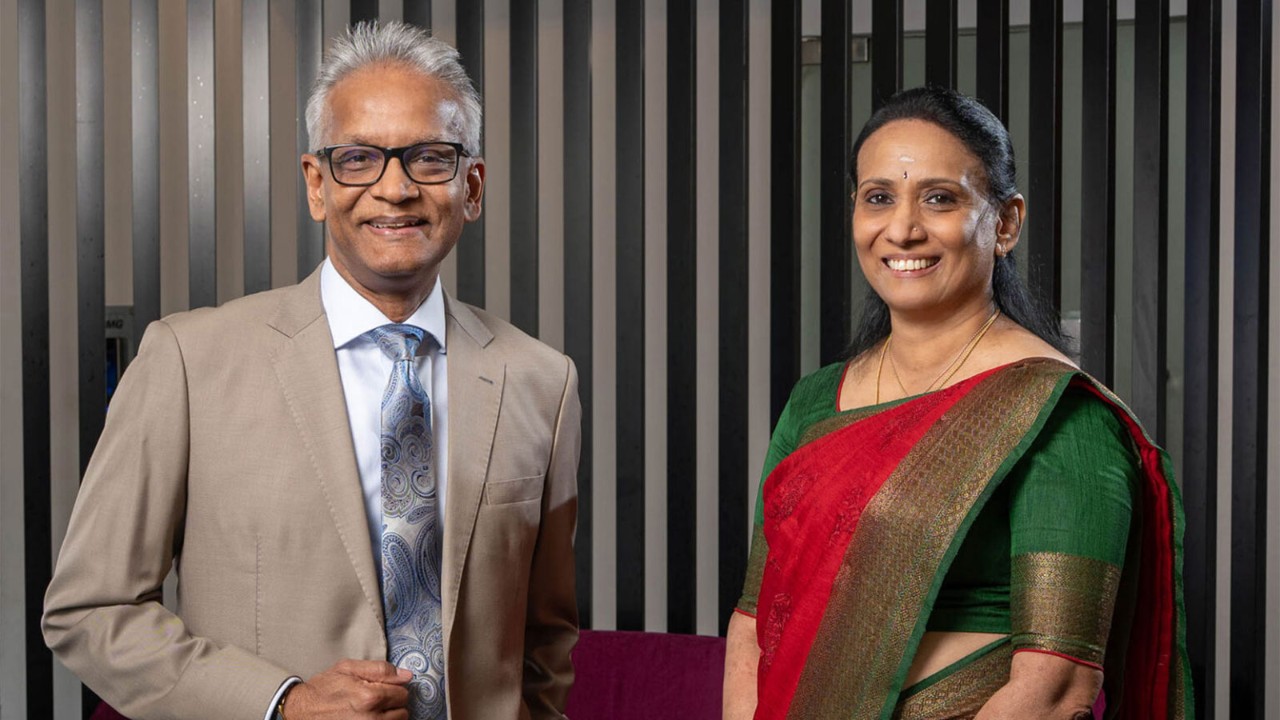
At this juncture, the focus is on helping clients with confidence, says Suren Rajakarier, country managing partner, who shares leadership responsibilities with chief operating officer Ranjani Joseph. They aim to drive outward market growth and optimise internal operations at KPMG Sri Lanka and the Maldives.
‘Our leadership styles complement each other through shared commitment to our values, which are the firm’s values,’ Suren says.
‘Our roles are two sides of the same coin, growth with quality being the overall goal’
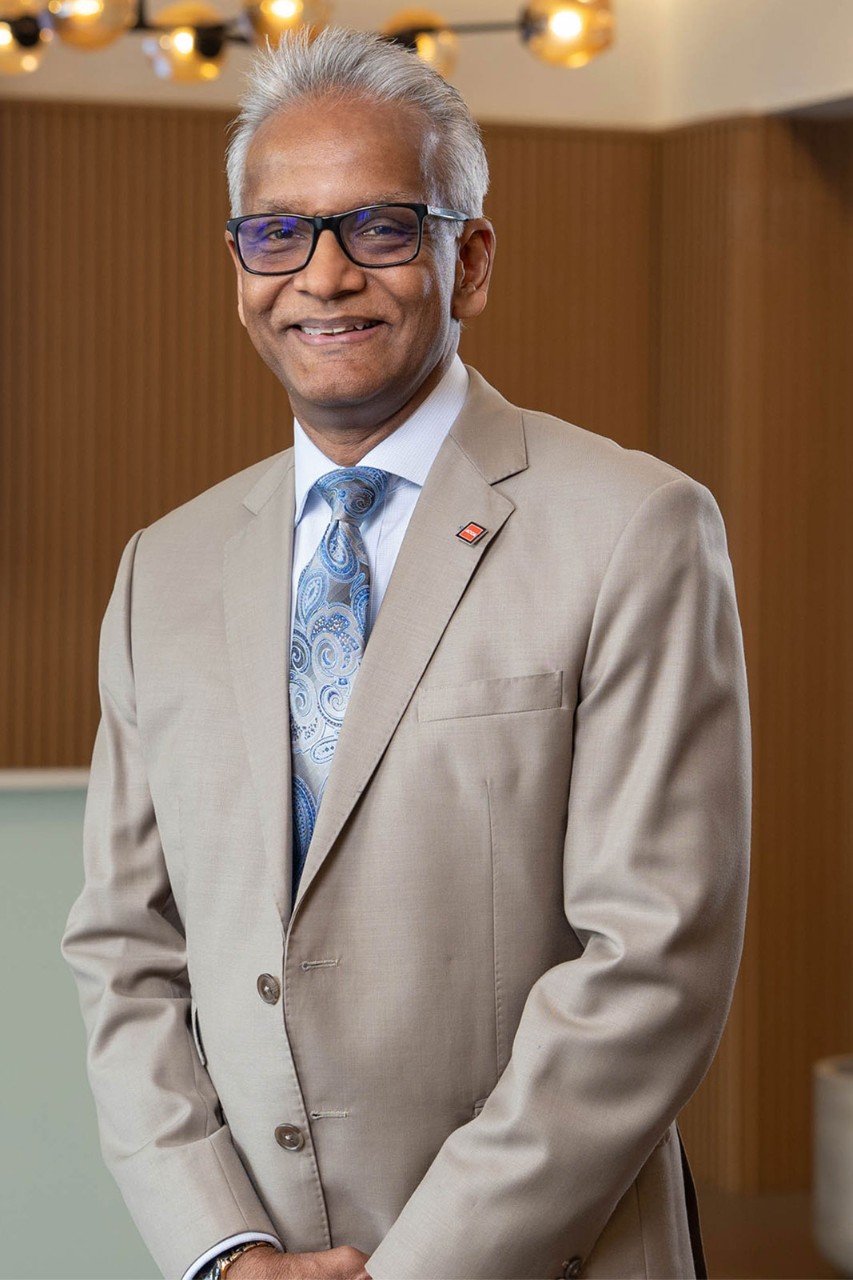
Having worked closely with Suren on many engagements and leadership roles in the past, Ranjani agrees. ‘Understanding each other comes very naturally to us,’ she says.
While Suren explores growth opportunities and resilience building, Ranjani focuses on supporting that journey through internal excellence and efficiency. ‘Our roles are two sides of the same coin,’ she says, ‘and the main objective is taking the firm to the highest level possible in terms of sustainable growth, while maintaining trust.’
KPMG is the knowledge partner and Suren chairs the audit committee forum of the Sri Lanka Institute of Directors. He also chairs the auditing standards committee of CA Sri Lanka.
Economic rebound
Rebuilding investor confidence involves reinforcing trust, transparency and accountability across the business community, Suren says. KPMG helps organisations strengthen the integrity of their decision-making and disclosures through high-quality audits and financial reporting, while supporting boards and audit committees in embedding ethical leadership, stronger controls and resilient governance frameworks.
Recently, it has been helping stakeholders with sustainability initiatives by implementing ESG frameworks and providing ESG assurance. ‘There’s an opportunity to collaborate with multilateral agencies to support transformation and capacity building across government sectors,’ Suren says. Supported initiatives include assisting GovTech, Sri Lanka’s lead implementation agency for national digital transformation, in developing the strategic roadmap for achieving the government’s digital export target.
Wider footprint
As the first female chief operating officer in KPMG Sri Lanka and the Maldives, Ranjani says there’s a growing presence of women every year, with women now accounting for nearly 45% of the firm’s managers. But she adds: ‘There is still a lot to do to create a strong pipeline of women leaders across South Asia.’ The challenge is not lack of capability or ambition, but often a mix of structural and cultural barriers, unconscious bias and limited access to opportunities that traditionally lead to executive roles.
‘When young female professionals see women successfully leading businesses, they are also motivated’
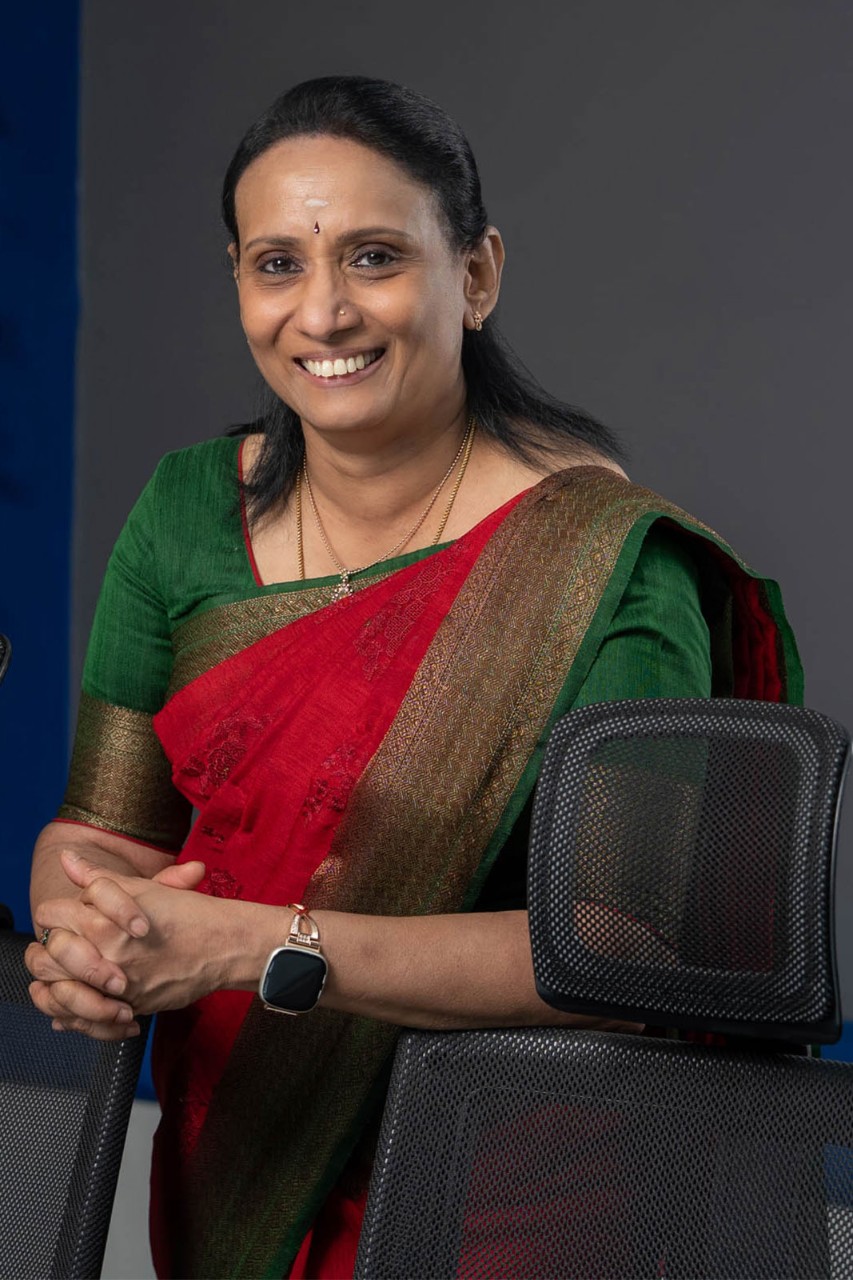
From a structural perspective, she explains that organisations need to be ‘more intentional about succession planning, sponsorship and leadership development’. While mentoring is important, sponsorship ensures that women are actively championed when strategic roles and high-impact assignments become available. Culturally, it requires the creation of flexible work models, the promotion of shared responsibility at home and the normalisation of diverse leadership styles.
‘Visibility matters,’ she adds. ‘When young female professionals see women successfully leading businesses, markets and functions, they are also motivated and understand what is available for them, and tend to push their boundaries.’
In overseeing two distinct island economies, Ranjani takes a threefold approach. First, KPMG values will remain non-negotiable irrespective of the geographies. Second, operational consistency centres on establishing common standards while allowing flexibility to respond to local market needs. Third, KPMG’s digital tools are used to underpin security and enhance decision-making.
‘The relatively close-knit nature of both markets allows us to build strong relationships with our clients, partners and employees,’ she explains. The focus is on leveraging learning from one market to strengthen the other to build a more agile and resilient operating model.
Nurturing talent
Helping corporate clients attract and retain skilled talent is an important service. Talent mobility is a reality experienced by both the clients and the organisation, Suren says. ‘The focus is not simply on retaining people, but giving them compelling reasons to grow within.’ That means investing in technical and regulatory learning, and on-the-job experience. He cites KPMG’s flexible e-learning tools and global mobility programme, which motivates professionals to gain international exposure.
‘We place equal emphasis on values, discipline and ethical leadership’
Building skills in AI, cybertech and sustainability is key. ‘That way the next generation can apply sound professional judgments to increasingly complex environments.’ Within KPMG, professionals are given AI training and encouraged to integrate AI while ensuring confidentiality of client information.
‘We place equal emphasis on values, discipline and ethical leadership,’ Suren adds, stressing KPMG’s core principles of integrity, technical excellence and courage.
Futureproof
Ranjani’s advice to young professionals navigating today’s environment is to view risk and regulatory transformation not just as a compliance exercise but as a strategic opportunity. ‘The most effective financial professionals are those who can combine financial acumen with broader understanding of business and technology,’ she says. ‘Change is constant, but strong fundamentals remain timeless. In times of uncertainty, people look to leaders who can combine judgment with courage to make informed decisions.’
Both Suren and Ranjani explain that organisations are increasingly looking for leaders who can navigate digital transformation, manage risk, interpret data, drive sustainability agendas and contribute to strategic decision-making. Building future-ready talent is also enabled through participation in the finhack (fintech hackathon) and regional advocate competitions organised by ACCA.
Networking informally is equally important, Ranjani says. A popular forum is ‘Handshakes and Milkshakes’, where the ACCA Sri Lanka family come together in a casual environment.
The human factor ‘will gain more importance as we move on in this AI journey’
Ranjani says the human role is key in challenging the results of AI analysis, and that KPMG focuses on a Trusted AI Framework that loops in the human factor. ‘That role will remain and will gain more importance as we move on in this AI journey.’
Looking ahead, promoting regional connectivity to bring international experience and insights to Sri Lanka will be a primary part of the pair’s work. Increasing involvement in cross-country operations will help bring the knowledge, which they hope to localise in the Sri Lankan context.
Suren says: ‘For organisations, success will follow with the ability to combine trust, technology, talent and strategic relevance in the changing business environment.’

