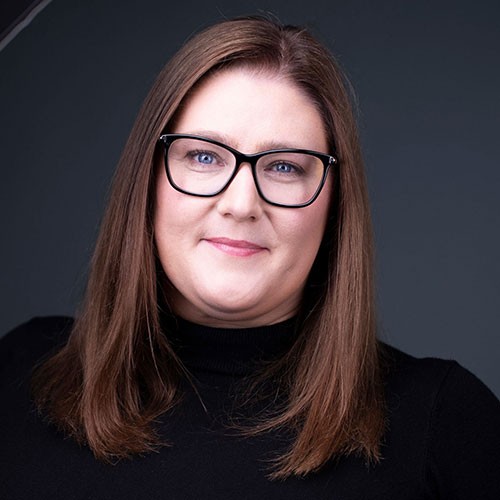
Everyone in business reaches a crossroads eventually: sell, merge, retire, step back or reinvent. As a transition facilitator, I help business owners and directors work out what comes next and whether they’re ready for it. My work brings together two things that are usually kept apart: the commercial reality of the business and the human reality of the person running it. I work directly with owners, and alongside accountants as a strategic partner, because a decision that’s right for the business but wrong for the person is still the wrong decision.
I sold my own business in 2023 but only after failing to sell it the first time. That failure taught me everything. At the time, I was the business: 100-hour weeks, every decision routed through me. A buyer wasn’t purchasing a company; they were purchasing a dependency on one person. So, I rebuilt it deliberately, upskilled the team, documented what lived in my head and effectively made myself dispensable. The second time, I sold in six months on my own terms and walked away six months after signing. The gap between those two sales is now my work.
If you were out for six weeks, would the business still run without you?
Owners often prepare the business but not themselves. They can talk EBITDA and multiples, then freeze on a simpler question: who am I without this? Most have never asked what life looks like after the sale, only what they’re leaving. And almost everyone is indispensable to their own business, which quietly erodes its value. My key question cuts to the core of the matter: if you were out for six weeks, would the business still run without you?
What I’m seeing in the marketplace, from my conversations with owners and advisers, is real appetite but far less patience. There’s money looking for good businesses, and a wave of owners approaching retirement with no succession plan behind them. But buyers are disciplined; they price in risk quickly, and the biggest risk they see is an owner the business can’t run without. Prepared, transparent sellers still command strong terms, while unprepared ones get discounted or don’t complete at all.
Being FCCA gives me credibility in the room
ACCA is the foundation everything else sits on in my career. I come from a family of self-employed people, so business and its financials were second nature early on. ACCA took me a step further, teaching me to read a business honestly: the numbers, the risk, what’s real and what’s merely hopeful. That rigour lets me address the commercial side as seriously as the human side. It also builds trust fast: working alongside a client’s accountant, we speak the same language. Being FCCA gives me credibility in the room.
To get away from it all I walk, ideally with good friends and no agenda, which is harder to come by than it sounds. I read constantly and listen to music. I’ve also come to love strength training in a group setting – a purely physical challenge first thing in the morning, before a day spent supporting other people’s biggest decisions. I’m happiest finding a quiet corner for a coffee and a bit of reflection. These aren’t indulgences; they are what keep me grounded and genuinely present for the people I work with.
The most important business lesson I have learned in my career is to pause. When things come to a head, I step away for a day or two (no laptop, no phone) and ask myself some questions: Is this still where I want to be? Have I already hit the goals I set? Does the goal need to be reviewed? Where do I want to be (personally, professionally and as a business) in one, five and 10 years? Leave these questions unasked and, I believe, you will hit your crossroads unprepared.


