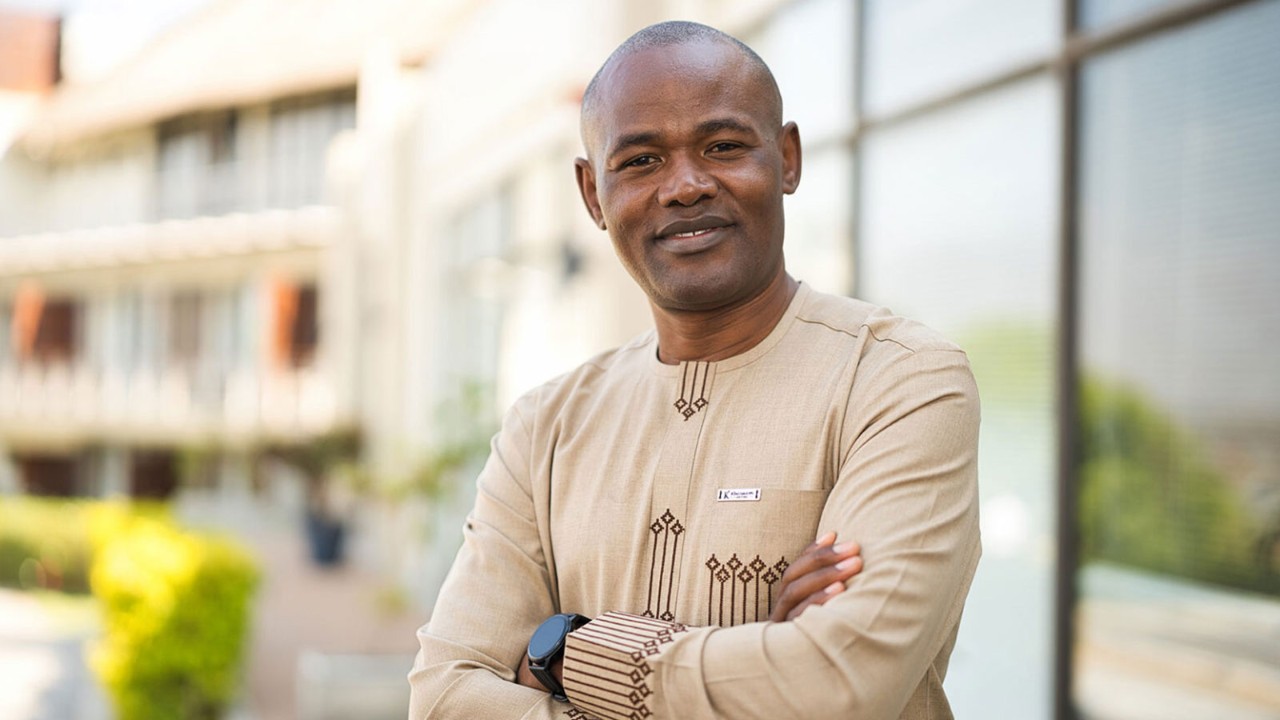
Claims for the advantages of reliable accounting often come in conceptual form, such as accountability, transparency and integrity. But for Fredrick Riaga, chief executive of the African Association of Accountants General (AAAG), the underlying argument for decent government accounting is nothing short of ensuring the future of the entire continent.
It’s a message he doesn’t tire of making. ‘Through accountability you make every peso, every rupee, every rand, every shilling, every dollar, every pound count,’ he says. ‘When you can track every shilling of public expenditure, you’re making government more transparent – which is only achieved through the adequacy of financial reporting – and then we will see a transformation around Africa.
‘There is a positive correlation that runs in a line between highly open and accountable societies to sustainable development, to improving the quality of life of people.’
‘The public needs to see itself as having a stake in accountability’
Thirst for trust
Riaga joined AAAG as CEO in 2024, barely a year after its launch, armed with some very relevant experience. A public financial management and governance expert with an avowed passion for ‘building trust’ in public sector accounting across the African Union, he had served as CEO of Kenya’s Public Sector Accounting Board and head of policy at the country’s Institute of Certified Public Accountants.
AAAG has a very real aim of improving accounting as a means, in turn, of boosting sustainable development, he says, a process in which the accountant general is the key player. But in practice this is not always the case.
‘In some countries, the accountant general’s office plays a central role in cash management and is therefore extensively consulted on decisions affecting the overall debt position. In such an environment, the Minister of Finance would not issue additional debt instruments without the technical analysis provided by the Office of the Accountant General,’ Riaga says.
CV
2024
CEO, African Association of Accountants General
2019
CEO, Public Sector Accounting Board Kenya
2009
Head of public policy, Institute of Certified Public Accountants of Kenya
2008
Tax adviser, PwC Kenya
The reasons why the accountant general is sidelined in some jurisdictions are not hard to identify. As well as a general lack of engagement with the tenets of good governance, there are other issues that militate against change. ‘Politics, political influence and who calls the shots has an impact on what sorts of structures are in play.’
‘We need to invest in technology – that is where the world is’
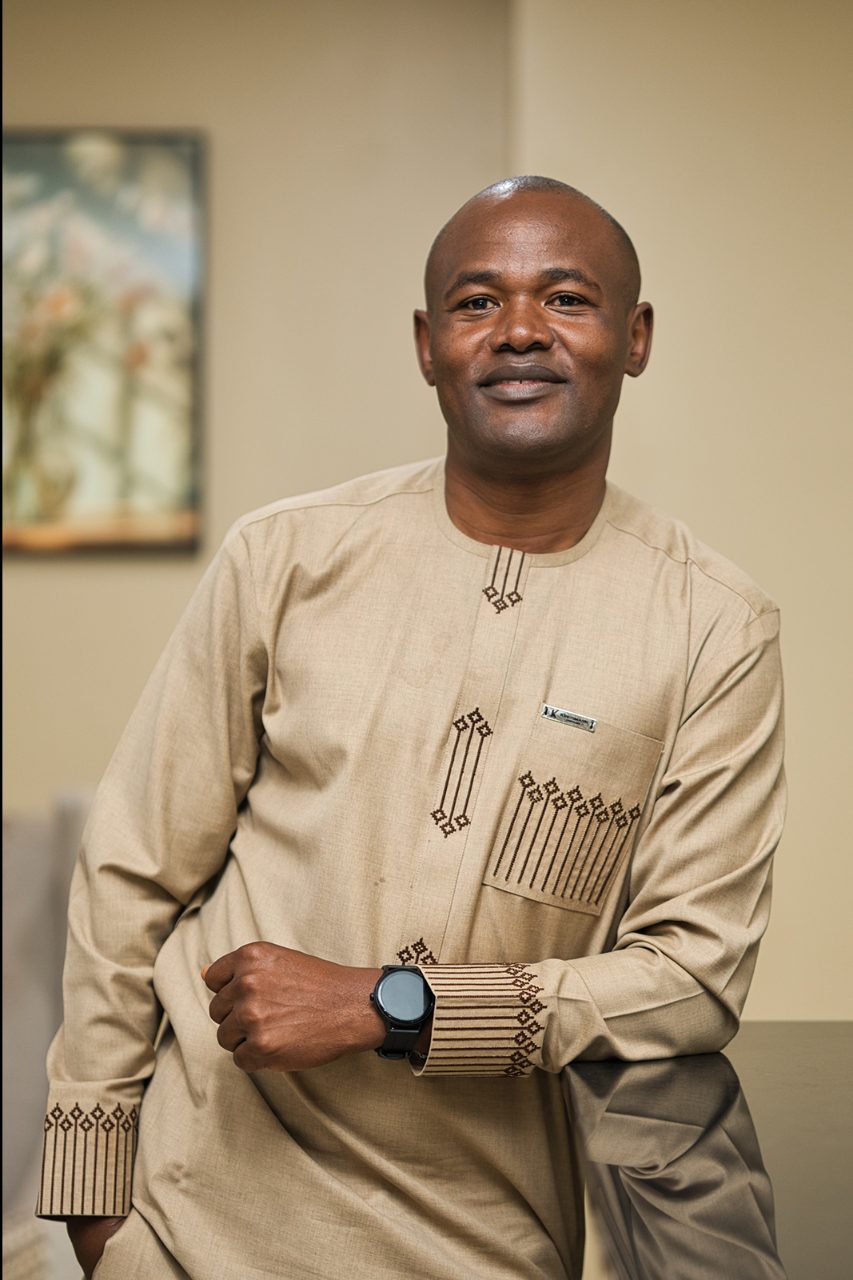
Riaga is quick to point out that the accountant general is not the only public figure affected by the poor governance environment. ‘The independence of the Office of the Auditor General is a pivotal element in advancing public accountability and transparent governance, yet across much of Africa this independence is increasingly constrained by weakened oversight institutions, political interference and limited fiscal autonomy,’ he says. ‘These challenges have diluted the auditor general’s authority to conduct objective audits and hold public institutions to account.
‘Strengthening both the operational and financial independence of the Office is therefore essential to revitalising accountability mechanisms and reinforcing citizen confidence in public financial management across the continent.’
Agenda for change
There are a number of improvements the AAAG is lobbying for. Riaga sees a need for investment in technology (‘that is where the world is’), reskilling of the accounting workforce to handle that tech, and updates to legal and policy frameworks across the continent to accommodate better government records management.
The people matter too, he adds. ‘We need to change our attitude towards managing public finances.’ In short, the public needs to see itself as having a stake in improved processes and accountability systems.
It is a significant agenda. Riaga argues that redesigning processes and systems and making the necessary changes could happen in a matter of months but that changing attitudes is the bigger task. ‘It will take huge investment to get people thinking right,’ he says. ‘Tone at the top is key,’ he adds, stressing the need for political leaders to adopt better attitudes to governance and accounting.
‘If everybody does their role, oversight does its role, parliament does its role, sanction mechanisms are meted out as appropriately laid out in various laws, it gets everyone to think about accountability.’
But he warns: ‘As I have mentioned many times, we do not see these changes coming through in most African states.’
Harmony
AAAG’s other big mission is sustainability reporting. Here again, there are obstacles, including little agreement on the reporting frameworks to be used – despite external pressure from institutions such as NGOs and investors.
Continent-wide agreement on frameworks would be a significant advance, but Riaga does not see that being achieved voluntarily. ‘Unfortunately, in Africa, unless it is legislated, unless there is some authoritative document prescribing the means and the how and the why, then nobody will do it.’
That is not to say governments are ignoring the topic. International markets increasingly invest green capital, which forces governments to work on compatible policy solutions.
‘Sustainability is not needed in 20 years, it is needed tomorrow’
Riaga stresses the urgency, as many African states still have populations that lack such basics as water and healthcare systems. ‘Sustainability is not a topic to be thought of around environmental impacts in the next 20 years. No, it is needed tomorrow.’
However, shifting to sustainability reporting remains a ‘massive’ step for many governments. ‘We are moving step by step, building capacity, sensitising accountants general to the need to bring this subject to the fore. They must be seen to lead.’
AAAG hosts its third annual conference in November in Accra, Ghana. It is an opportunity for Riaga to press for many of the organisation’s key objectives. It will also be a chance to push for greater public awareness, perhaps even persuade the continent to speak with ‘one voice on matters of accountability’, he predicts.
For Riaga, though, there may be a deeper aim. ‘What motivates me to get out of bed in the morning is a desire to leave Africa in a better state than we found it.’ And it goes without saying that Africa needs reliable accounting to report on those improvements.
More information
ACCA will launch a new report on leadership in the public sector at its global Virtual Public Sector Conference on 28 November. Register to watch live or on demand.
Fredrick Riaga will be participating in a panel discussion at ACCA’s Africa Members Convention from 3-5 December in Mombasa, Kenya. Register here