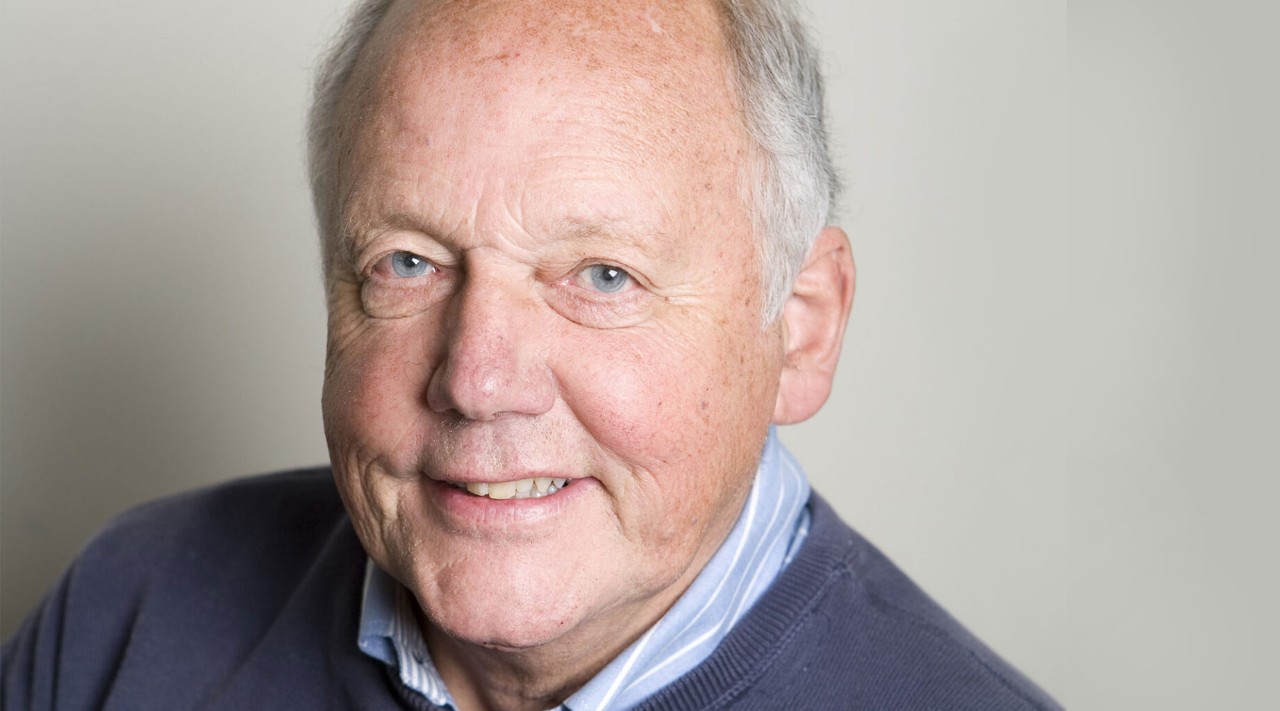
If you want to know how to boost the economy and create solid economic growth you could take some lessons from the efforts of Roger McKechnie. He died earlier this year but the obituaries captured some of his lessons on teamwork, building a business in unlikely circumstances and creating growth where none existed.
The overwhelming lesson, which politicians ought to take note of too, is that what you are doing should be fun. One obituary quoted what McKechnie had once answered when asked for his epitaph: ‘We had fun making it happen.’
Having fun is too often disregarded as a fundamental of building and running a successful business. I wrote a profile of McKechnie in the paperback edition of my book Winners back in 1987, which recounted the ways in which six winners of the annual Industrial Achievement award had created successful businesses. I described him as large, cheerful, open, disorganised, determined, errant and single-minded. In short: ‘Precisely the sort of man to organise and inspire a business team.’
To be really good at business, you have to be interested in people rather than theory
And that is what he did. He brought together four old mates and university friends from the north-east of England who had worked largely in the food business, and were now in their forties and knew what they didn’t want to do. For them, the attitude of ‘everything that could be cut should be cut’ was no way to run a business.
This was the early 1980s in Consett, in County Durham, a town that had lost its steelworks and was then simply known as ‘that town covered in red dust’. But an energetic regeneration programme and enlightened understanding and help from private investment company 3i combined to give what would become Derwent Valley Foods, purveyors of exotic snacks under the Phileas Fogg brand, a start.
They had assumed margins would be higher and wastage much lower
They learned the hard way. They assumed margins would be higher than they were. Wastage at the Consett plant ran at 40% rather than the 10% they had expected.
Still, a visit from Prince Charles, as he was then, went well. ‘Everyone else had sticky buns for tea,’ recalled McKenzie, ‘but we went straight into a crisis meeting locked in the boardroom with 3i and the bank. The bank said we were incompetent buggers who didn’t know what the hell we were doing.’ But they continued to argue their case. ‘3i came up trumps,’ and they were saved.
Treat people right
The business grew and Consett prospered. No one at the company other than the four directors had any experience of the food industry. ‘Everyone else had been miners, steelworkers, shop assistants and so on,’ said McKechnie. ‘People are flexible. It is amazing what can be done when a workforce is treated right and as long as they understand what you are trying to do.’
And then, in a remark that summed the whole philosophy up, he added: ‘The important thing is to make it a bit of fun so that everyone enjoys themselves.’
After 13 years of success, the four directors sold the business to a much larger conglomerate and it went into slow decline. Enormous businesses have little understanding of how things really work. As one of McKechnie’s fellow founders said back in the mid-1980s: ‘Most of us would rather run our own post office than be vice president of ICI.’
To be really good at running a business, you have to be interested in people rather than theory. McKechnie and his chums went on to run other entertaining enterprises. And his legacy, the Samling Institute for Young Artists, which nurtures young classical musicians, reaches a triumphant 30th anniversary this year. Being creative and having fun is not just a business essential.


