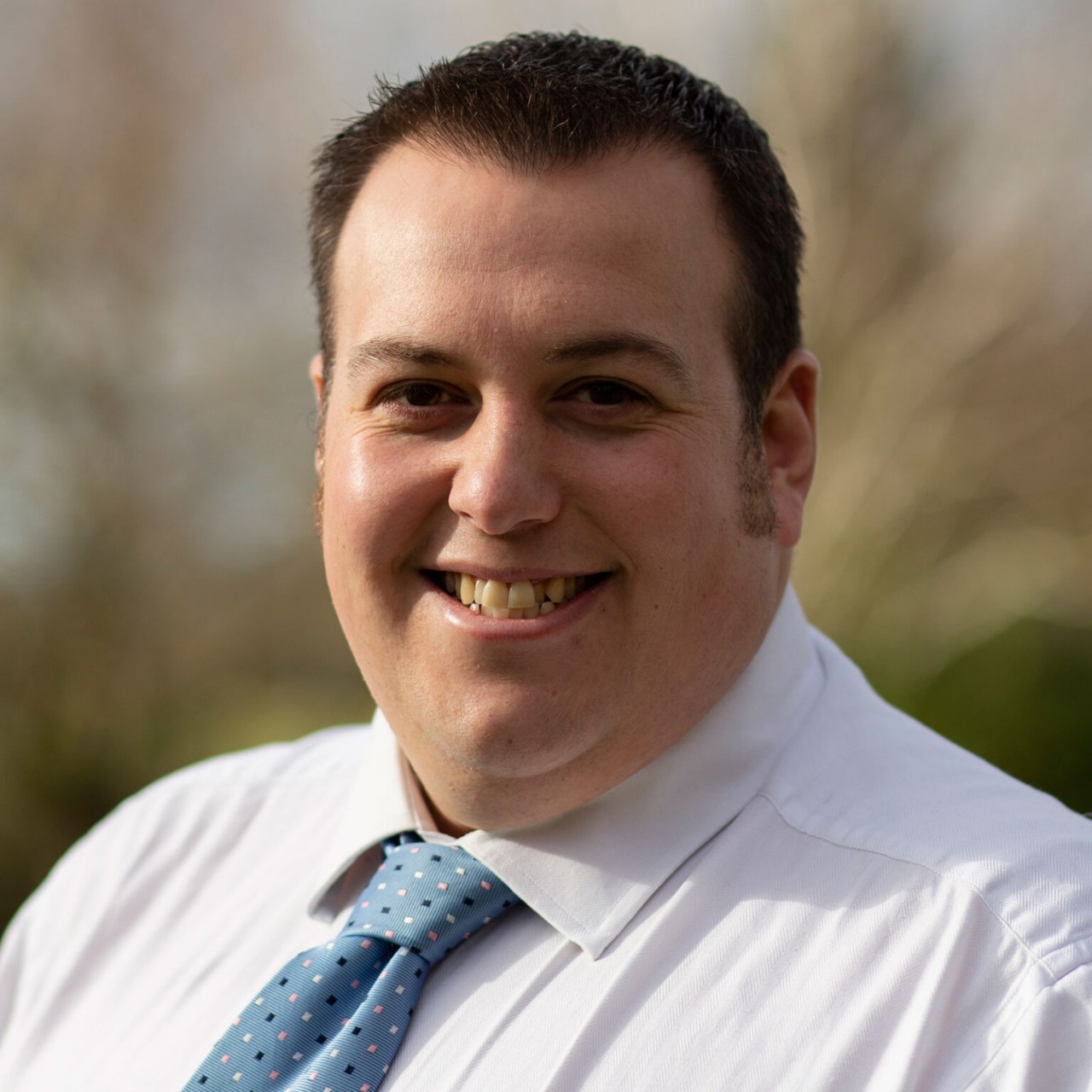
My finance career started in audit, where I enjoyed getting to know different sectors. Clients included agriculture suppliers, car dealerships, manufacturers, not-for-profits and academies. I then moved to the public sector, supporting academic leaders and boards of governors. This was very rewarding, as I felt I was making a real difference for future generations. It is much more than making sure art rooms have glue sticks and computer rooms have the right kit, although the day-to-day experience of the students is still a key factor.
I then took an opportunity at Harper Adams University. This much bigger organisation was a daunting but also exciting challenge. Here, we’re looking at food production yields, land management, soil nutrition, autonomous farming and welfare. Our students and academic staff do fascinating work, both in research and working alongside industry specialists.
I had to manage the crowd of rugby players and guests who all had some beers
The main challenges within the higher education sector are financial sustainability and ensuring value for money for those taking a degree. Tuition fees are a divisive subject, but they haven’t risen with the cost of delivery for some time. At the same time, students are facing significant debt, so it is important to show the real advantages that attending university can provide later in life.
The opportunities for the sector lie in collaboration. This could be with other institutions, businesses or governments to solve national and global issues. Whether that’s improving animal welfare conditions, expertise in soil and water management or improving food production processes, with the right people at the table the opportunities are limitless.
In future decades, accounting will be based much more on the interpretation of data and applying multiple sources of information to present a story to non-accountants. There will continue to be compliance and regulatory work, but how we produce and present financial information will undoubtedly change. We’re seeing it already with the increasing use of AI in audit, for example. With real-time information, accountants can become much more forward looking, planning for the next few financial years, rather than reporting on the previous one.
I step out of my comfort zone when I am presenting. I’m not a natural public speaker and often rush through things. However, I hosted a dinner for my local rugby club and interviewed former England player Mike Tindall. Not only were there royal protocols to be followed, but I also had to manage the crowd of players and guests who had some beers during the evening. It all went very well, and I look back at the event with great pride.
Challenges don’t need to be seen as a negative
My favourite saying is: ‘It’s only a problem if you make it a problem’. Experience has taught me to look at things from multiple perspectives when seeking a solution or to identify alternative opportunities. Challenges don’t need to be seen as a negative.
If I had law-making powers, I would simplify VAT legislation to make a basic sales tax. The system needs a complete overhaul; there are currently so many variables and areas of interpretation.
If I wasn’t an accountant, I would love to have become a full-time rugby union coach. I love the game and I’d be incredibly happy to pass on my knowledge, hopefully to inspire the next generation of players. I’m lucky in that both my children enjoy playing rugby and I get to coach their respective teams. I’m also still playing a bit myself.


