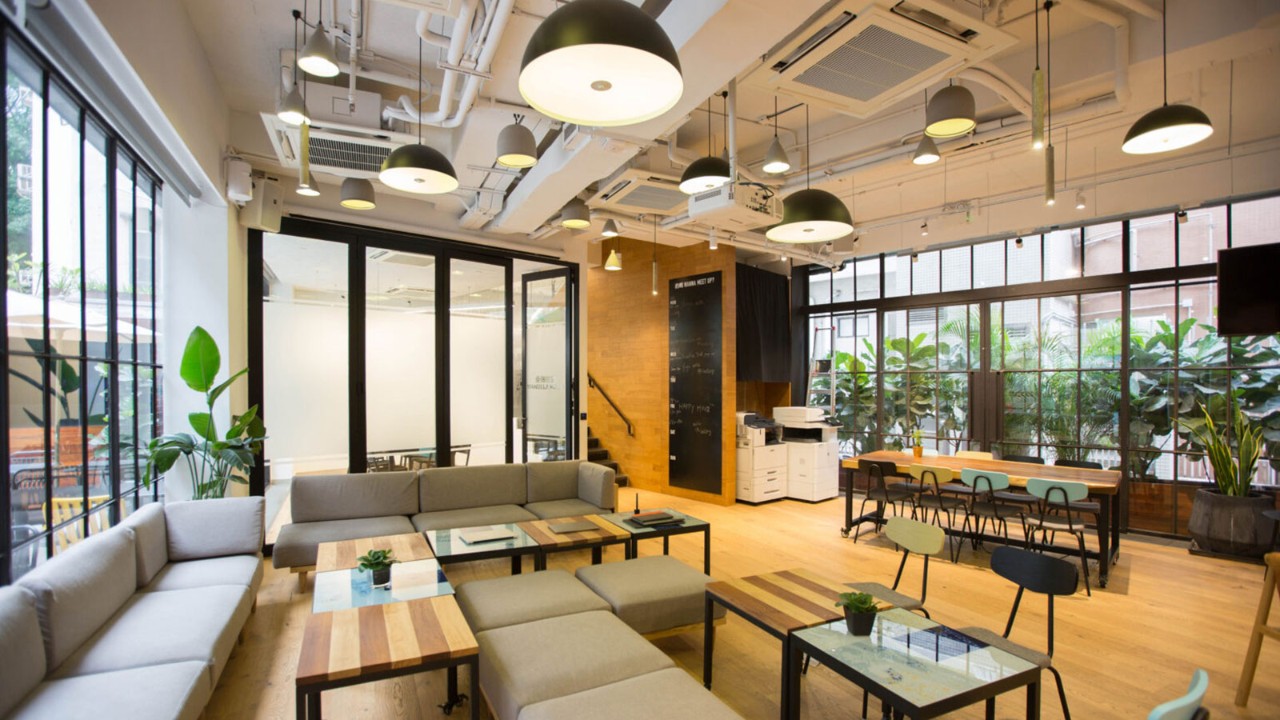

After almost six years of persistent weak demand, the premium end of Hong Kong SAR of China’s office rental market is showing signs of what some in the real-estate industry are describing as the beginning of a ‘measured recovery’.
While Hong Kong SAR office rental ranks among the most expensive in the world, with rates down by as much as 40% from their 2019 peak, a ‘flight-to-quality’ trend has emerged. Even as vacancy rates in other areas remain high, banking, insurance and asset management firms are upgrading to superior, modern office spaces in the Hong Kong Island CBD and Kowloon’s Tsim Sha Tsui commercial district.
Strategy rethink
Besides finance firms, demand for premium office space from the innovation and technology sector is also growing, predominantly led by companies from the Chinese mainland. Representing a mix of both new entrants and existing firms, enterprises have taken the opportunity to rethink their real-estate strategies by upgrading to more prestigious office buildings or expanding within their existing premium office locations.
Employers are prioritising office space that enables professional growth
As companies upgrade from older, secondary buildings to prime locations, employers are prioritising office space that enables collaboration, wellness and professional growth. According to the Randstad 2025 Workmonitor report, 48% of talent would not accept a role due to poor values alignment. Against this backdrop, a high-quality physical environment in a prime location is a strategic component of a company’s value proposition, according to Benjamin Elms, general manager at Randstad Hong Kong.
In addition, with the rapid deployment of AI, location and workspace design is increasingly considered an important factor not only in the way that firms deploy digital technologies, but also in facilitating human-AI collaboration, including the all-important ‘human-in-the-loop’ component required to sustain a future-ready workforce.
Organisations need to consider carefully what Gen Z look for in a job
Added to this, talent consultancies like Randstad point out that, as Gen Z becomes a larger portion of the labour force, organisations need to consider carefully who these workers are and how to deliver what they look for in a job.
Driving demand
With ACCA Hong Kong forecasting a HK$4.1bn consolidated surplus in the market for 2025/26, the improving outlook is expected to drive steady demand for office space in 2026, especially from financial firms. And with more than 300 companies lining up to list their initial public offerings (IPOs) on the Hong Kong stock exchange, talent consultancies note a correlation between financial firms seeking premium office space and the type of jobs being created.
For example, in addition to recruiting talent to manage the surge of IPO listings, firms are using programmes such as the Top Talent Pass Scheme to hire professionals from the Chinese mainland who bring technical depth to Greater Bay Area-focused projects and operations.
While financial services is a headline driver, as the Hong Kong Government accelerates the development of the Northern Metropolis through a series of industry-driven and infrastructure-led initiatives, Hong Kong SAR’s construction and property sector is seeing an upsurge in demand for skilled labour and project management professionals. For the accounting sector, this translates into a rising demand for project-based financial controllers who can manage the fiscal complexities of large-scale infrastructure projects.


