
Hong Kong SAR of China has worn the label of being a premier, tax-free shopping paradise for a good number of years. Now, though, the focus, especially among tourists from the Chinese mainland, is shifting from retail to reality experiences.
While the purchase of high-end watches, jewellery, fashion items and luxury accessories still tops the itineraries of many tourists – driven in large part by RedNote (Xiaohongshu in Mandarin), a popular Chinese social media platform – ‘check-in tourism’, which roughly translates into the quest for personalised social media-worthy immersive experiences, is not only reshaping the tourism landscape; it is also creating new revenue streams.
Of the nearly 50 million tourists that visited Hong Kong SAR in 2025, 76% came from the Chinese mainland, according to Hong Kong Tourism Board figures. During the recent May ‘Golden Week’ holiday – the name given to the seven-day Chinese mainland break designed to boost tourism and spending – more than a million tourists from the mainland visited Hong Kong SAR, a 10% increase on the same period in 2025.
Must-see tourist preferences have changed significantly
Shifting sector
In the three years that Hong Kong SAR has been rebuilding a tourism sector decimated by strict Covid-19 pandemic travel restrictions, must-see tourist preferences have changed significantly. While pre-pandemic it was common to see long queues waiting to access upmarket boutiques and five-star restaurants, these days it is not unusual to see them at everyday landmarks and buildings because of their appearance in television dramas and films, especially if they have gone viral on social media. For example, at the former Yau Ma Tei police station, immortalised in classic crime thrillers like Cold War and Election, recreating dramatic movie arrests has become a tourist phenomenon.
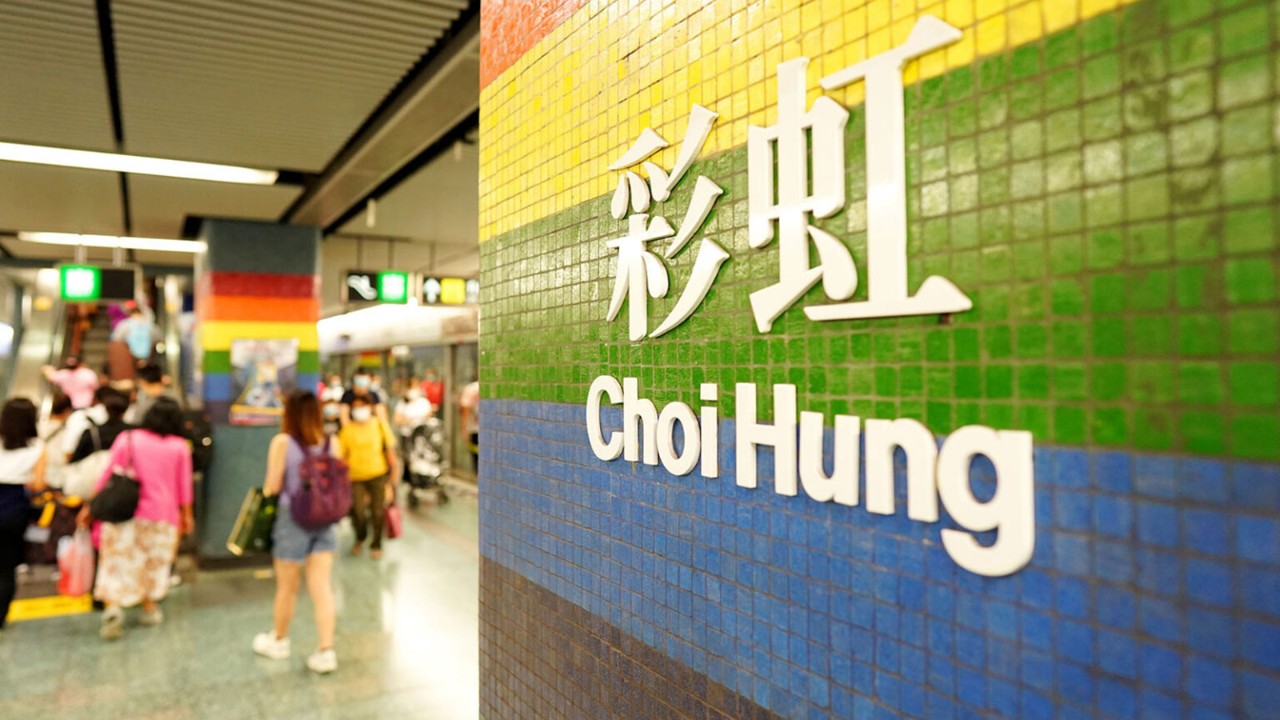
A must for many visitors from the mainland is a photo of the signage within the mass transit railway stations where the name and colours of each station are uniquely based on the characteristics of each location. For example, the platform at Choi Hung, which means ‘rainbow’ in Cantonese, is decorated in the colours that reflect the station’s name. Then, after taking their ‘check-in’ photos, tourists may go to nearby restaurants for meals and explore the area, creating a multiplier effect for local businesses.
Food for thought
Bakeries that sell culinary heritage items such as char siu bao (barbecued pork buns), egg custard tarts and off-the-calorie-scale French toast (stuffed with peanut butter and pan fried until golden brown) have become magnets for tourists seeking out authentic experiences. And, while a number of upmarket restaurants have found the post-pandemic business environment tough, for a select number of traditional cha chaan teng diners, visitor interest in culinary heritage has given them a new lease of life.
Interest in culinary heritage has motivated a new generation of entrepreneurs
Sometimes, however, the consequence of newfound popularity can be difficult to handle. A viral surge generated by a visit from a social media influencer with hundreds of thousands of followers on RedNote can leave operators of time-honoured eateries appreciative of the uptick of customer traffic, but overwhelmed by the logistics of catering for 20 or perhaps even 50 times the volume of customers previously catered for.
At the same time, sons and daughters of cha chaan teng operators with previously no interest in the family business are injecting fresh ideas and modern management, including using social media to reach new customers. The surge of interest in the local culinary heritage has also motivated a new generation of entrepreneurs, themselves often social media influencers, to become guides offering food tours and cultural classes.
It is not only urban areas that have experienced a new trend in tourism preferences. Alerted predominantly by Chinese mainland social media postings, thousands of tourists are flocking to the beaches and 25 country parks and marine reserves that make up roughly 40% of Hong Kong SAR’s landmass. Seen as an opportunity to boost ecotourism competitiveness, high foot traffic has also raised concerns about the need for sustainable policies to protect natural assets and prevent tourism becoming part of the problem it was meant to solve.


