The most successful contract lawyers are often great visionaries. The ability to foresee possible disputes between the parties is in fact a fundamental skill when drafting or amending long-term commercial agreements.
That said, it would have taken a fully functioning crystal ball to predict in 1979 a dispute over the impact of what were at the time non-existent click-and-collect services on turnover rent leases (where tenants must typically pay a percentage of their stores’ annual gross takings in rent).
Landlords argue rent calculations must include click-and-collect sales
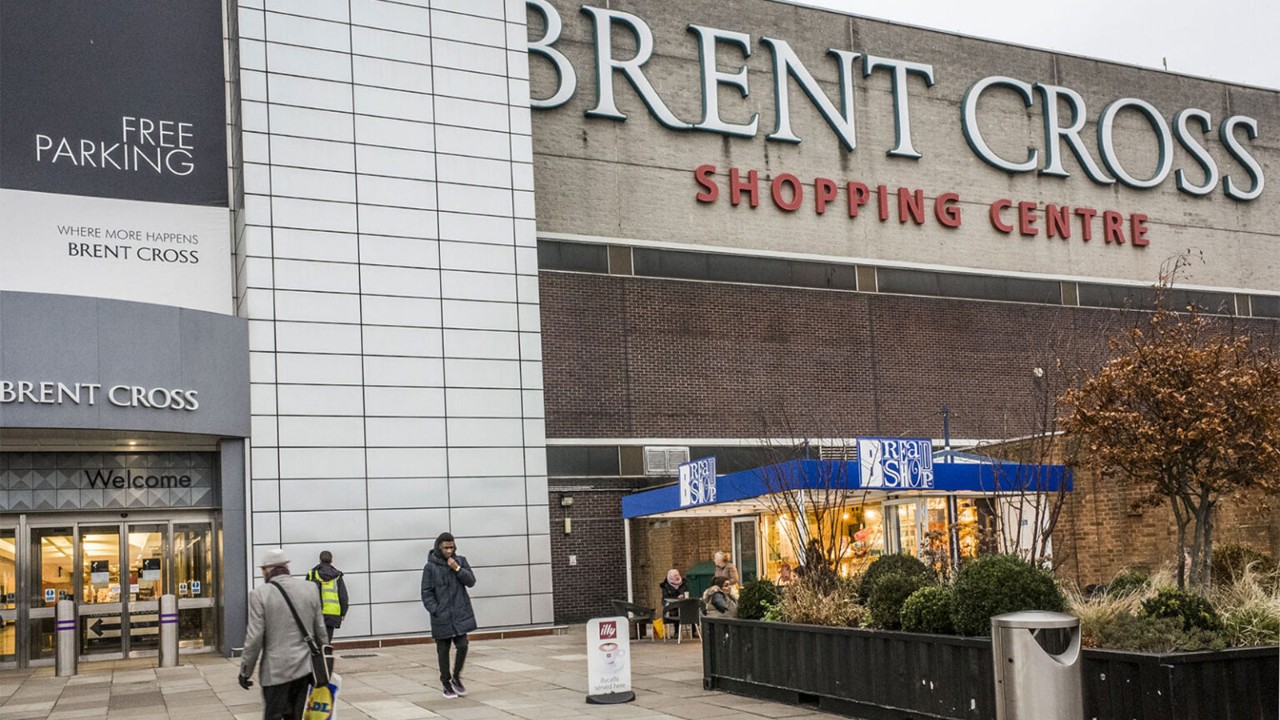
Nonetheless that is what John Lewis and the current and former owners of London’s Brent Cross shopping centre – Hammerson and Standard Life Investments, respectively – are testing in court 47 years after the start of their lease agreement. The landlords are arguing that click-and-collect sales must be included in the rent calculation.
The parties awaiting this tribunal decision are likely to be many more than just the three debating in the High Court at present. The use of turnover rent leases for stores used as pickup points for orders made online is understood to be widespread among big retailers.
The legal argument
According to the Financial Times, in the John Lewis case, the owners of Brent Cross shopping centre in London believe a clause of the existing lease captures the click-and-collect service. It reads: ‘Mail, telephone or similar orders received or filled at or from the demised premises or directed thereto’ are to be added to the annual takings for the purpose of calculating the rent due.
John Lewis instead argues that online sales to customers are completed at the time of the dispatch and not when the items reach the shopping centre and become available for collection. Hence, the retailer argues they should not be included in the total turnover figure of its Brent Cross store.
Turnover rent calculations may become more complex
This point-of-sale reasoning appears to follow the terms and conditions for customer orders published on the company’s website. These state: ‘The order acceptance by us and completion of the contract between you and us will take place on dispatch of the Product(s) ordered.’ But could the use of the store put the click-and-collect sales within the scope of the turnover rent agreement anyway?
The answer to this question now sits with the High Court. Among those who will almost certainly need to take note of it are accountants, auditors and lawyers (visionary or not).
The fallout
Depending on the outcome of the ongoing legal dispute and possibly of others that could be initiated by different landlords or tenants, those accountants who work for a retailer that has signed one or more turnover rent leases may need to prepare more complex and detailed turnover rent calculations that account partly or in full for click-and-collect sales. They may also need to include other figures that may not be immediately obvious as forming part of store turnover, such as customer returns, staff discounts and delivery charges.
Lawyers will probably update the wording of any new agreements
The second group – auditors – may have a more active role in the future regardless of the High Court ruling. Landlords and tenants may want to engage with them more widely to better and independently validate the turnover data used as the basis for calculating the rent due.
As for the lawyers, it is probable they will react to the ruling by updating the wording of any new turnover rent agreements to clarify what revenue streams should (or should not) be included in the turnover data, how the turnover provisions are to be enforced and the quality of information and data to be supplied to the landlords.
As for drafting clauses that can capture future revenue streams that at present do not exist, it is probably time to buy that fully functioning crystal ball.


