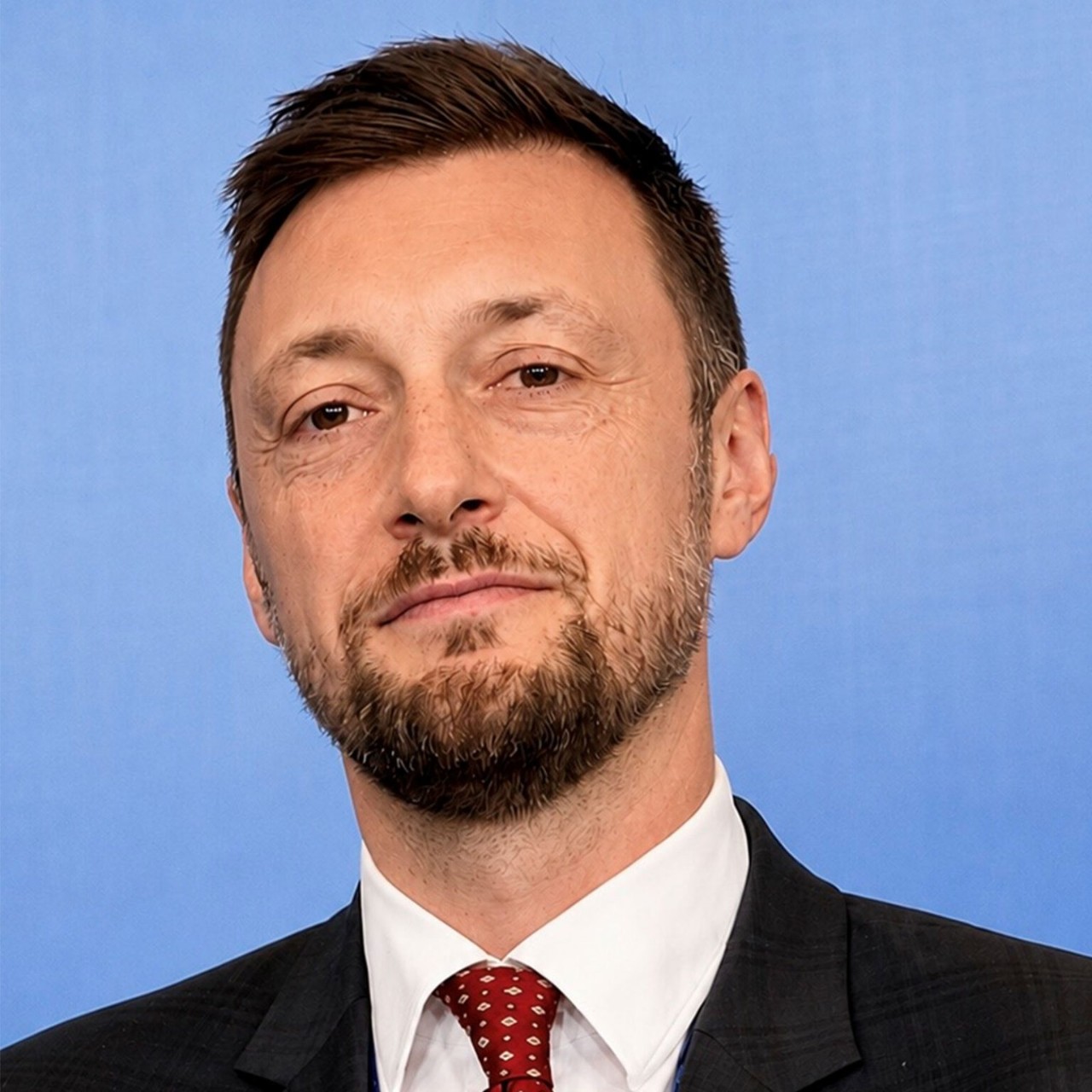
After graduating, I moved to Luxembourg to join PwC, where I worked in financial audit and gained my ACCA qualification. In 2011, I moved to the European Court of Auditors (ECA), which audits EU funds, seeing how they are used and whether policies are delivering results. My roles have covered compliance and performance audit, and working in the cabinets of the Greek and Italian Members of the Court.
Today, I work on areas ranging from transport and energy to employment and social policy. What attracted me to accounting was seeing how organisations work and whether they deliver what they promise.
One of the biggest challenges facing the ECA is that how the EU spends its money is changing. Traditionally, the focus was on whether expenditure complied with eligibility rules. However, EU funding is increasingly linked to reforms and results rather than costs. That requires auditors to adapt their methods and develop new ways of providing assurance. Another challenge is to remain relevant in a fast-changing environment while continuing to provide public accountability.
It was a huge leap to take a job in a country where I knew nobody
I stepped out of my comfort zone when I moved to Luxembourg after university. It was a huge leap to take a job in a country where I knew nobody and had to start from scratch. However, it was one of the best decisions I have ever made and taught me that many opportunities only appear once you leave the familiar behind.
I like this saying from the Ancient Greeks: ‘Know thyself’. I even printed it on the cover of my first university dissertation. Understanding your own strengths and limitations is a valuable principle in life and is an especially important one for auditors.
I also like this: ‘Always be yourself. Unless you can be a unicorn. Then always be a unicorn.’ I first saw it in a bar in Lisbon, and it reminds me not to take myself too seriously.
If I had law-making powers, I would ensure that changes to electoral laws cannot take effect in the next election unless they are supported by a broad political consensus. Those who are competing in an election should not be able to change the rules shortly before the vote. This is a current provision in the Greek constitution. Trust in democracy depends not only on the outcome of elections, but also on confidence that the process itself is fair.
Analysis is important, but it only has an impact if it is communicated clearly
What I enjoy most about my job is turning complex findings into reports that policymakers and citizens can understand and use. Analysis is important, but it only has an impact if it is communicated clearly. I like the variety, too, as I might be looking at agriculture and fisheries policy one year but energy, transport and social policy the next.
It is also rewarding to inform decisions affecting millions of Europeans. Contributing to how public policies are designed and implemented is something I am proud of. I would never have imagined that one day I would be discussing public policy issues in the European, Italian and Greek parliaments.
If I wasn’t an accountant, I probably would go into law or academia. I have always enjoyed investigating how things work, challenging assumptions and building evidence-based arguments. In many ways, my current role combines elements of economics, law, public policy and research, which is why I enjoy it so much.
In my own time, I enjoy travelling, keeping active and being with my friends. I particularly like discovering new places, learning about their history and culture, and trying local food. I also enjoy cooking and bringing friends together around a table.


