‘Sport is the greatest equaliser. It shows people that the impossible is doable,’ says Joseph Schooling. His win in the 100m butterfly at the 2016 Olympics delivered Singapore’s only Olympic gold medal and a S$1m (US$780,000) reward from the Singapore National Olympic Council, but left the swimmer with few illusions about the prospect of sporting immortality.
‘Any athletics career is going to end,’ says Schooling, who studied economics at university before and after his win. Since retiring in 2024, Schooling has been exploring ‘a different space’, with new ventures, including a swim school, where he hopes to inspire others and generate sustainable long-term value as he makes the transition from athlete to entrepreneur and investor.
A double gold Olympian co-founded a private equity firm
For some elite athletes, accounting holds the key to a successful transition. Olympic freestyle skier and double gold medallist Alexandre Bilodeau gained an accounting degree while still competing. After retiring from skiing in 2014 he went on to work in transactional services at KPMG Canada, and co-founded private equity firm Partenaires A2 in Montreal in 2023.
Others who have become accountants before, during or after sporting success include US triathlete Gwen Jorgensen, Irish hockey player Chloe Watkins, English rugby union player Heather Cowell, and Eugene Amo-Dadzie, a British 100m sprinter who has been called ‘the world’s fastest accountant’. Cowell and Amo-Dadzie are still both involved in competitive sport.
Business focus
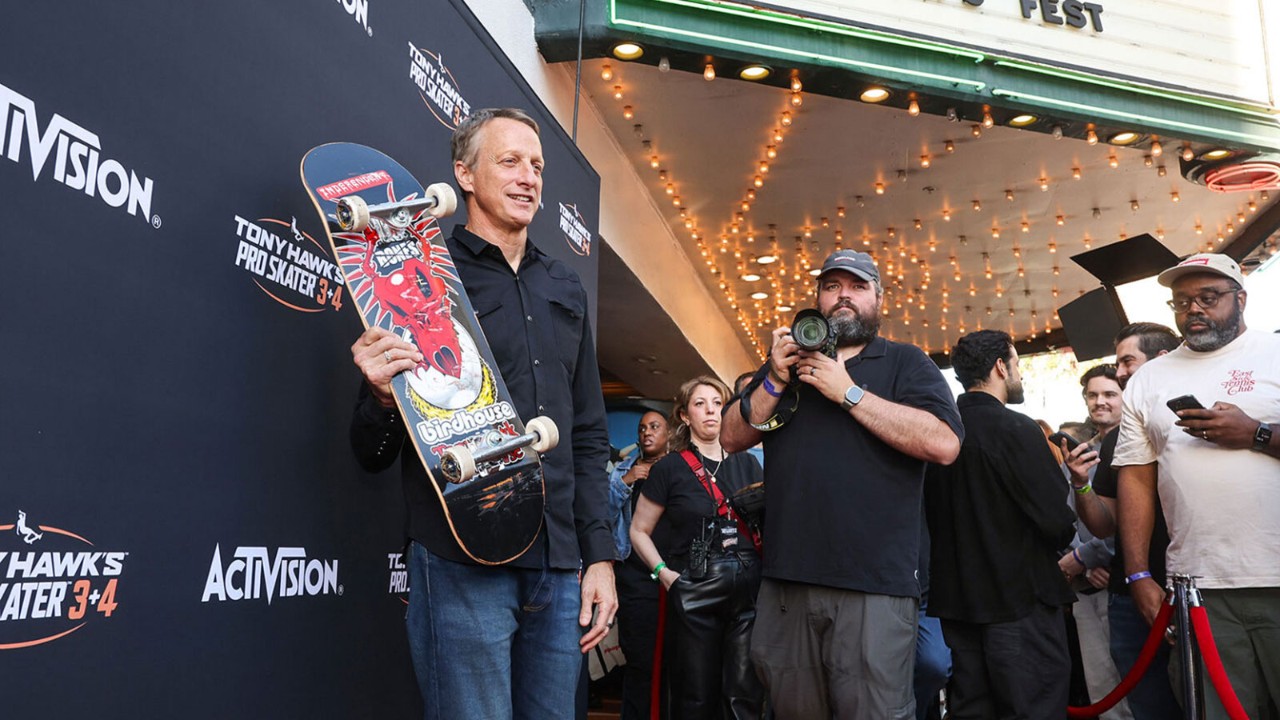
An entrepreneurial mindset is associated with many elite sportspeople. US skateboarding icon Tony Hawk turned down a one-off payment in favour of royalties for the video game Tony Hawk Pro Skater, developed with Activision. The series has since added millions to Hawk’s other earnings from endorsements, sponsorships and investments, which include Birdhouse Skateboards, Hawk Clothing and a production company. His net worth is now estimated at US$140m.
Since retiring in 2018, footballer Didier Drogba has been championing businesses and models that use high-profile ventures – combining sport, entertainment and technology – to attract investment that can create sustainable jobs across the African continent.
Drogba began his transition to entrepreneur and investor a decade before retiring, when he formed the Didier Drogba Foundation to provide material and financial support in health, education and business in his Côte d’Ivoire birthplace, Abidjan. This helped him to see how effectively high-profile events can raise funds for purpose-driven projects.
His foundation also co-owns Team Drogba Global Africa and competes in the all-electric powerboat racing series. ‘With a strong focus on promoting green technologies and sustainable development, the team aims to inspire future generations and drive progress in Africa’s transition to a greener, more innovative future,’ Drogba says.
For David Beckham, endorsements have been hugely lucrative
On the ball
Footballers highlight just how diversely sportspeople can make money in ‘a different space’ following a successful professional career. Daniel Agger, a Dane who made over 200 appearances for Liverpool FC, became a tattoo artist and co-owner of online platform Tatoodoo. Premier League player Arjan de Zeeuw joined the Dutch police. And Arsenal midfielder Mathieu Flamini co-founded GFBiochemicals, which specialises in plant-based chemicals.
Some choose to focus on the high-profile professional ‘brand’ they developed as players. Sporting punditry is one approach. Capped 42 times by England, Peter Crouch has found considerable success as a podcaster, author and media personality, activities that have helped take his estimated net worth to £25m–£35m. Eric Cantona and Vinny Jones both tried acting for a while, and David Beckham also had cameo roles in a few films.
For Beckham, brand endorsements have often been even more lucrative than his salary as a professional player. In retirement he has continued to build his significant fortune (estimated to be in excess of US$450m) by developing these and other business ventures. A similar pattern can be seen among top-earning athletes in other sports, such as tennis.
For 2025/26, the estimated US$31m income of US athlete Coco Gauff is dominated by endorsements worth US$23m. Though still competing in professional tennis tournaments, she has built an investment portfolio focused on sports and wellness, launched her own management agency and taken an equity stake in juice brand Naked (she is its chief smoothie officer), all of which should stand her in good stead when she does ultimately retire from the court.
Shaquille O’Neal has earned millions from gym franchises
Body beautiful
Involvement in the health and wellness sector has delivered massive financial rewards for some. Retired US basketball player Shaquille O’Neal has become a multimillionaire through owning equity and franchises in numerous gyms.
Meanwhile former Australian rugby league star Adam ‘Mad Dog’ MacDougall created Cranky Health, ‘a passion project’ focused on health and wellbeing. He and his wife co-founded the business in their garage in 2013 and built it into one of Australia’s most popular brands. In 2022, they sold a majority stake in Cranky Health for a reported A$400m (US$280m) and set up the MacDougall Foundation, which aims to ‘pay it back’.
One of the most obvious post-playing career opportunities is coaching, which builds on first-hand technical and tactical knowledge and can offer professional and financial success. Retired tennis champion Ivan Lendl coached Andy Murray to multiple wins. Jacques Lemaire’s long career as a hockey coach may be more successful than his time as a player with the Montreal Canadiens.
Motivational speakers can earn US$30,000 for a single appearance
The motivators
For those who can translate high-stakes sporting experiences into engaging lessons on peak performance, leadership, resilience, teamwork and overcoming adversity, there are excellent options. Motivational speaking for live and virtual corporate and public audiences can offer a lucrative repeat income stream.
Top-tier speakers can command US$30,000 and more for a single appearance. Americans Allyson Felix (Olympic track and field champion) and David Goggins, an ultramarathon runner and retired US Navy SEAL, are just a few of the sportspeople in demand as motivational speakers.
Not all retired sportspeople can match the financial successes of luminaries such as basketball player Michael Jordan (estimated net worth of US$3.75bn), golfer Tiger Woods (US$1.3bn), and tennis champion Roger Federer (US$1.1bn). But many are well positioned to thrive in retirement by exploring different spaces and the opportunities they may offer.


