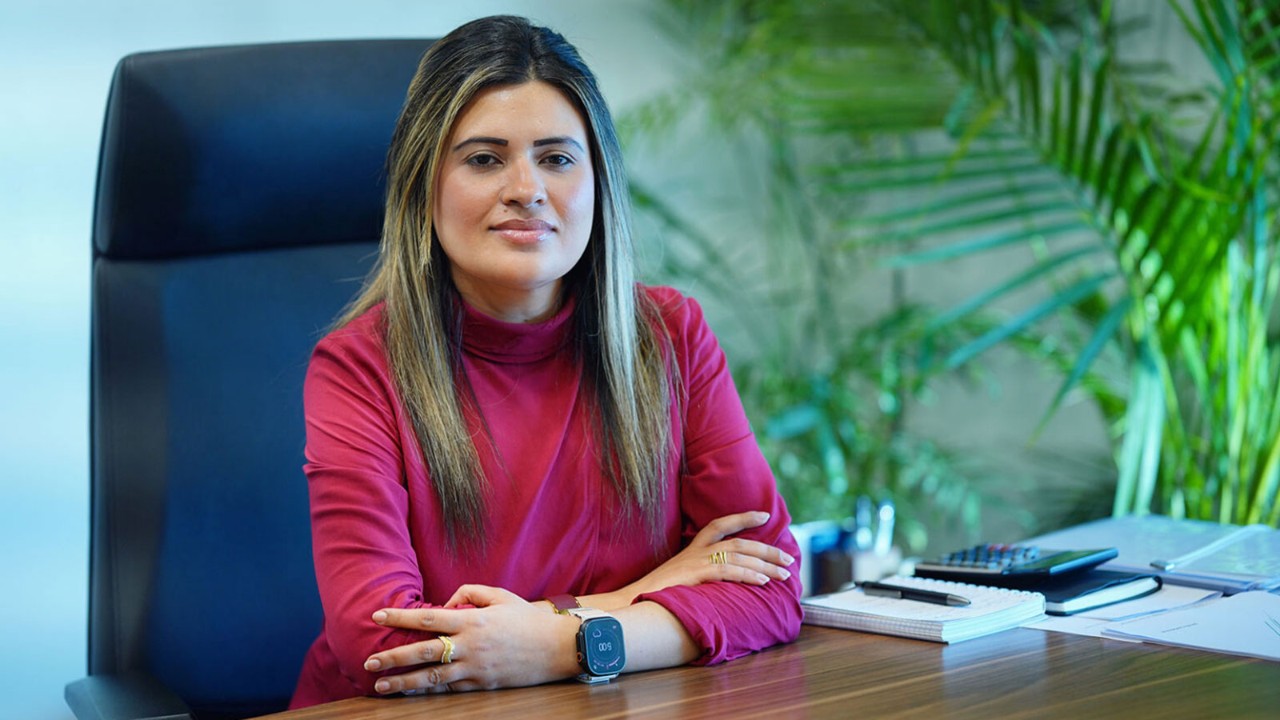
What a difference a decade makes. Formerly plagued by chronic power shortages and soaring electricity costs, Pakistan is now lauded as a model for other emerging economies by the World Economic Forum for its efforts to secure its energy future through a phased transition to renewables. For Ekta Sitani, CFO of Engro Energy, one of the nation’s leading power players, shaping this transition through a finance lens offers an exciting opportunity.
Sitani came to Engro Energy after more than a decade at Philip Morris International, and before that, three years at EY. While she had advanced professionally in her role at the tobacco giant and enjoyed international assignments, she craved career diversity.
‘Hydel has long been Pakistan’s main source of indigenous electricity’
‘I had no prior experience of the energy sector, but it seemed quite challenging and exciting,’ she says. Appointed general manager for internal audit in 2020, she moved to the CFO position four years later.
Renewables pioneer
What she learned at the company was that, despite the ‘structural imbalance’ at the root of Pakistan’s legacy power problems, the nation was actually an early adopter of renewables. ‘Long before solar and wind became popular globally, hydel [hydroelectric power] was already central to Pakistan’s energy strategy,’ she explains. ‘Since the first project post-independence was initiated in 1955, hydel has been prioritised as the country’s primary source of indigenous, low-cost electricity.’
Over the past decade Pakistan’s generation capacity has been significantly ramped up, bringing with it diversification of the nation’s fuel mix.
‘Beyond hydel, which currently contributes roughly 25% of Pakistan’s total installed electricity generation, solar has emerged as the fastest-growing renewable segment,’ she adds. ‘Wind continues to add competitively priced capacity in high-resource corridors, further diversifying the renewable portfolio.’
But sustainable growth doesn’t end with greener production, she points out. ‘For me, true sustainability isn’t just a corporate checkbox. It’s about building a business that creates long-term value responsibly.’
Engro Energy
2008
Engro Energy, a subsidiary of Engro Corporation, is established as a major player in Pakistan’s power sector, focusing on developing indigenous energy resources
#1
Developed Pakistan’s first power plant to use flared gas for electricity generation, thereby minimising carbon emissions, and developed the first 2 x 330 MW mine-mouth indigenous lignite coal power plant in Thar
‘Even small green investments can have outsized benefits’
Long-term value
She cites green finance as a major contributor to investments that reduce environmental impact and attract investors who care about ESG (environmental, social and governance) issues. ‘I’ve seen how even small green investments can have outsized benefits for credibility and long-term cost management.’
Ethical governance also factors highly, she says. ‘Transparent decision-making, accountability and integrity in operations are not just good practice, they’re essential for maintaining stakeholder trust and navigating complex transitions, such as low-carbon initiatives.
‘Responsible procurement ensures sustainability extends across the supply chain. Choosing vendors who align with environmental and social standards amplifies impact and fosters industry-wide improvements.’
These three elements are mutually reinforcing: ethical governance builds credibility, which helps access green finance, while responsible procurement ensures operational goals are met. ‘When integrated thoughtfully, sustainability becomes a strategic advantage, not just a compliance exercise – something I actively seek to prioritise in any role I take on,’ she says.
‘The finance team is now a value-adding function’
CFO evolution
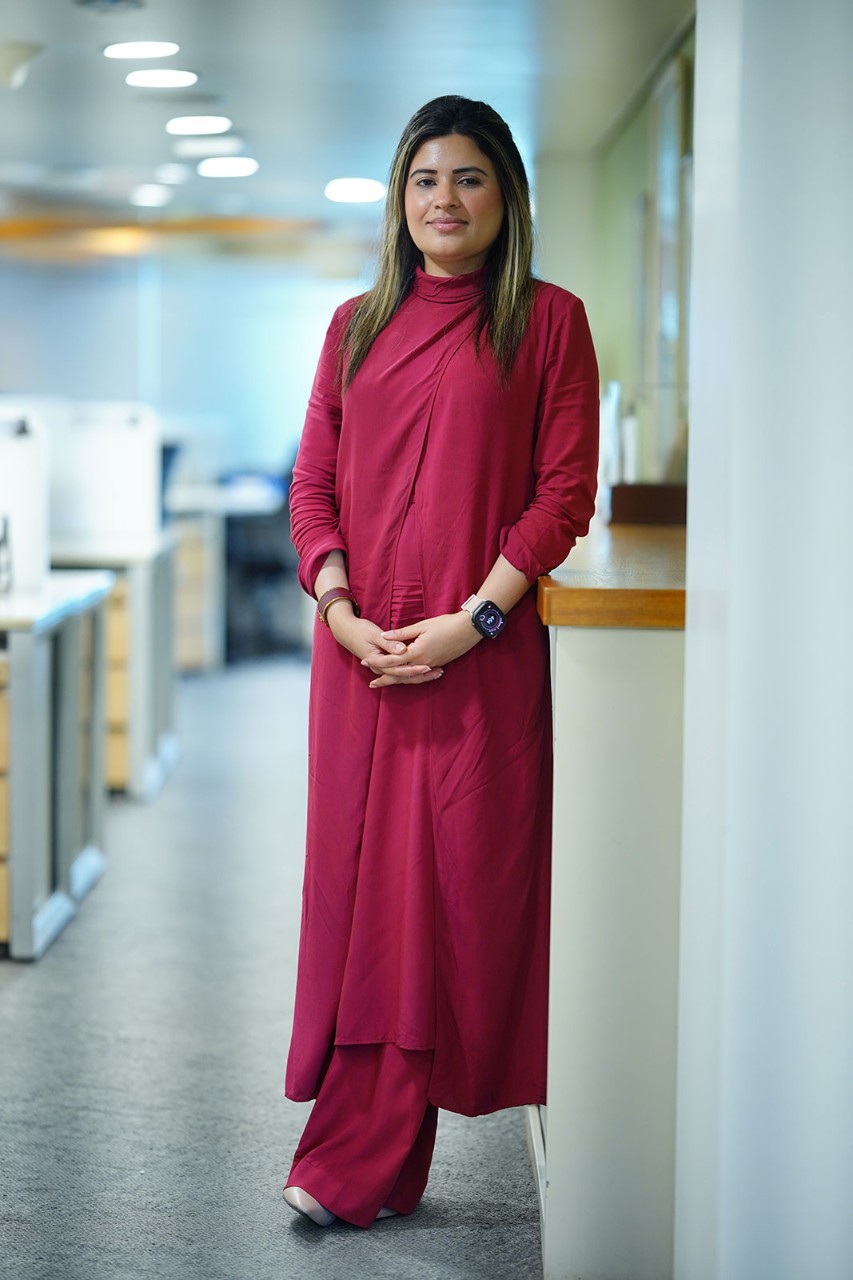
In Pakistan’s growth landscape, where businesses face energy cost pressures, inflation, regulatory shifts and a dynamic market environment, finance leaders play a pivotal role in guiding organisations toward sustainable growth. Sitani views this as an exciting evolution of the CFO role.
‘In my team at Engro, I ensure that we all work along with the business as partners and enablers. We provide the data required to make decisions, we help strategise on the long-term direction of the company and we bring the reality check in terms of numbers when needed.
‘We are also the risk managers of the company, identifying risk areas and then working on mitigation plans. The finance team is now not just a number cruncher but a value-adding function.’
Sitani believes ACCA’s focus on sustainability, ethics and green finance equips members to be drivers of sustainable business transformation, ready to seize the exciting opportunities in this high-growth employment arena.
Green expertise
‘The CPD courses are particularly valuable because they provide practical, up-to-date skills – for example, evaluating sustainable investments, structuring green financing or integrating ESG into corporate decision-making. This helps members translate knowledge into actionable insights that businesses increasingly need.
‘I’ve seen this in practice. For instance, a colleague who completed ACCA’s sustainability CPD was able to lead a green finance initiative at her company, securing investment for a solar project that not only reduced costs but also enhanced the company’s ESG credentials. That kind of opportunity – where finance, ethics and sustainability intersect – is exactly what ACCA prepares members for.’
‘Business transformation is not possible without buy-in’
Implementing change management from a human perspective takes time and empathy. In the workplace, Sitani says, transformations are not possible without buy-in. ‘You have to advocate for how this change is beneficial in the larger interest of everyone.’
Resistance is natural, so anticipate and plan for it, she continues. ‘Define the change clearly, engage stakeholders early, develop a plan and communicate effectively.’
Diversity champion
A passionate advocate for diversity, equity and inclusion, Sitani is a certified DE&I trainer and champions these values in her workplace. ‘Diversity is being invited to the party, inclusion is being asked to dance, and equity is ensuring everyone is able both to get to the party and to dance,’ she says.
Even though local cultural norms are slowly changing, gender inequality remains a barrier for women in Pakistan, traditionally a segregated society. Championing this cause is what drives Sitani as a female leader. ‘From my own empowerment attained through my career progression, I am enjoying my independence both personally and professionally.
‘Leveraging that, I want to be a role model, a listener and support system for women at various stages of their careers. From young girls just starting out to mothers returning from their career break, continuing to advocate for their cause is another way I can give back to the country I love.’
CV
2020
General manager for internal audit, and from 2024 CFO, Engro Energy
2009
Senior analyst for internal controls, rising to ethics and compliance head, Philip Morris International
2006
Senior audit trainee, Ernst & Young


