India’s concert economy is hitting its stride, as rising disposable incomes, young consumers and corporate sponsorships transform live music into a structured, scalable business.
According to EY, the organised live events segment crossed the INR12,000-crore mark in 2024 and is projected to expand at a compound annual growth rate of around 19% over the next three years. In the same year, India hosted between 70 and 80 concert days that each drew more than 10,000 people, a sign of the growing appetite for large-scale live experiences.
‘Robust economic growth has led Gen Z and millennials to seek high-quality live experiences’
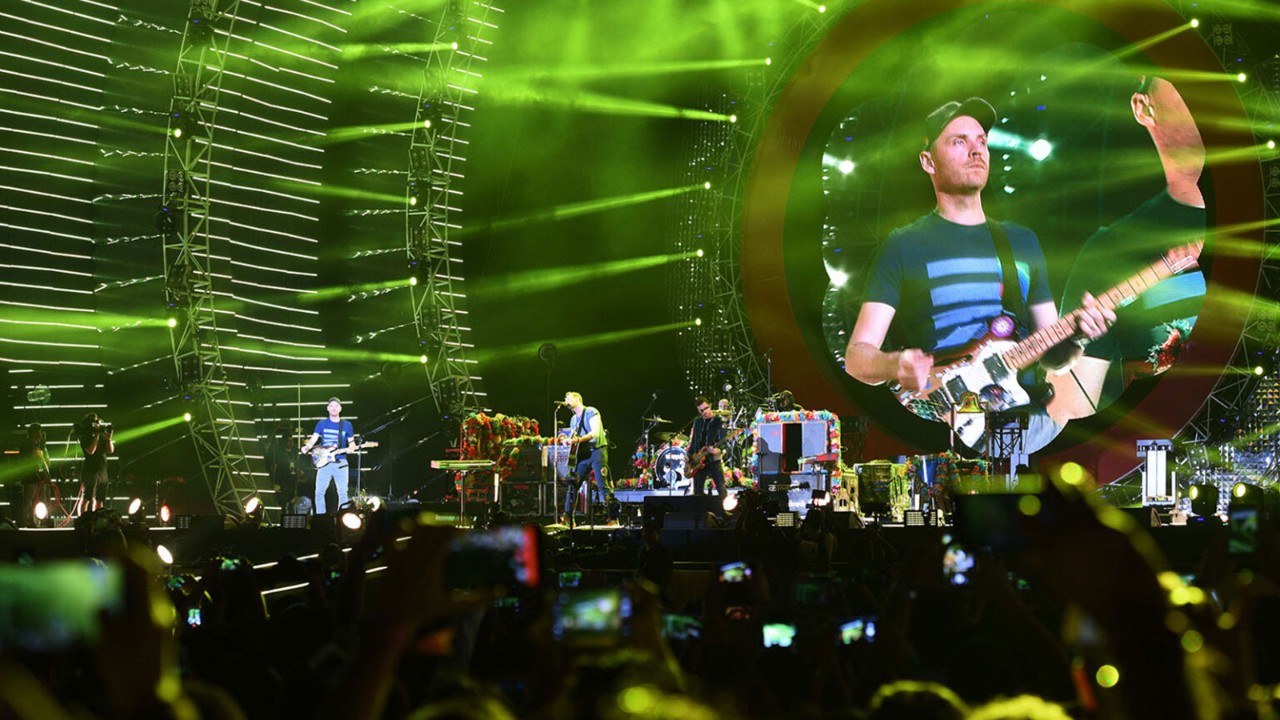
The trend is illustrated by Coldplay’s two concerts in Ahmedabad in January, which achieved a new Guinness World Record for the largest stadium show of the 21st century.
Cultural shift
Experts say the boom reflects a deeper cultural shift in how India’s younger generations spend and socialise. With 65% of the population under 35 and rising disposable incomes, concerts have become the new social currency for Gen Z and millennials who value experiences over possessions.
‘Robust economic growth has led to steadily increasing disposable income, enabling Gen Z and millennials to seek high-quality live experiences,’ says Vibhor Gauba, associate partner at KPMG in India.
India’s massive digital ecosystem is amplifying that appetite. With close to 900 million internet users and some of the world’s highest mobile data consumption, online platforms have become powerful engines for artist discovery and event promotion, opening doors for brands to tap into India’s live entertainment boom.
‘Sponsorship and brand integrations contribute nearly 35% to 40% of event revenue’
‘Sponsorship and brand integrations contribute nearly 35% to 40% of total event revenue,’ says Ananay Jain, a partner at Grant Thornton Bharat. Brands such as Pepsi, Spotify, OnePlus and Zomato are treating concerts as ‘immersive storytelling platforms’ that fuse brand narratives with fan emotion.
India’s concert economy is fast becoming a multisector growth driver, fuelling a broader ‘going-out’ culture that now spans concerts, stand-up comedy, theatre, premium cinema and year-round themed events across India’s metros and rising cities. The surge in live entertainment is creating a powerful multiplier effect, benefiting a wide ecosystem of industries, from hospitality and tourism to event logistics, digital payments and real estate.
At the same time, Tier-II cities (with a population from 50,000 and 99,999), once overlooked by global promoters, are becoming new hotspots, supported by better air connectivity, local government incentives and a young audience base with rising spending power. ‘Concerts have evolved into micro-economies of their own. Each event triggers a ripple across hospitality, tourism, logistics and digital engagement,’ Jain adds.
Tax and compliance
The concert economy contributes significantly to public revenue; the organised live events segment added roughly INR1,300 crore in incremental income in 2024. Concerts today form a meaningful tax base through goods and services tax (GST) levies on ticketing, food and drink sales, merchandise and sponsorships, alongside entertainment taxes still applicable in certain states.
At the corporate level, companies and vendors pay standard income taxes, while performance fees earned by artists, whether resident or non-resident, are taxable in India, further boosting the exchequer.
‘Crossborder taxation adds towards the complexity’
That said, multiple layers of taxation and compliance costs are limiting growth in the industry. With GST, ticketing platform fees and local levies often stacked atop base ticket prices, organisers face narrowing profit margins. ‘These can be mitigated through economies of scale, provided event infrastructure evolves and becomes standardised,’ Gauba explains.
Crossborder challenges
When planning multi-city tours, organisers must navigate through a maze of different state laws and tax systems. Inconsistent refund processes, varying tax rates and cumbersome permissions often slow down event execution. The challenge grows when international performers are involved.
‘With global participants performing on Indian soil, crossborder taxation – such as withholding taxes and permanent establishment – adds towards the complexity,’ says Abheet Sachdeva, a partner at Nangia Andersen LLP.
Meanwhile, the financial management of large-scale productions has become more sophisticated. Concert accounting now involves multiple revenue streams such as ticketing, sponsorships, brand tie-ups and broadcast rights, governed by Indian Accounting Standard 115, which requires accurate timing and allocation of revenue recognition. ‘Misclassification can distort profitability and tax reporting, making professional oversight indispensable,’ Jain explains.
Keeping track of expenses is also challenging. Artist advances, stage production costs, logistics and security expenses need accurate classification between direct and deferred costs. Working with international partners comes with foreign-exchange volatility and withholding tax obligations, especially when paying overseas artists or production vendors.
Integrated approach
To adapt, leading organisers are turning to enterprise resource planning-based reconciliation systems that integrate ticketing data with GST filings and automate revenue recognition, making their audits more transparent and reliable for investors.
‘Multistream monetisation is positioning live entertainment as an emerging asset class’
Beyond accounting and taxation, organisers must also account for contingencies. ‘Event cancellations due to weather, cyber threats in e-ticketing systems, artist dropouts and high working-capital needs can materially impact margins,’ Jain says.
Seasonal spectacles like Sunburn, NH7 Weekender and Lollapalooza India are now maturing into a portfolio of formidable entertainment franchises with measurable brand value, steady revenues and strong licensing potential. ‘Their multistream monetisation from ticketing and sponsorships to digital rights has drawn investor interest, positioning live entertainment as an emerging asset class,’ Sachdeva says.
But the industry needs stronger infrastructure to reach its full potential. India still lacks large-scale venues outside Mumbai, Delhi, Bengaluru, Ahmedabad and Goa, limiting nationwide expansion. ‘For the concert economy to scale nationally, more regions will need to develop suitable infrastructure,’ says Gauba.


